
Constitution World
Amendments
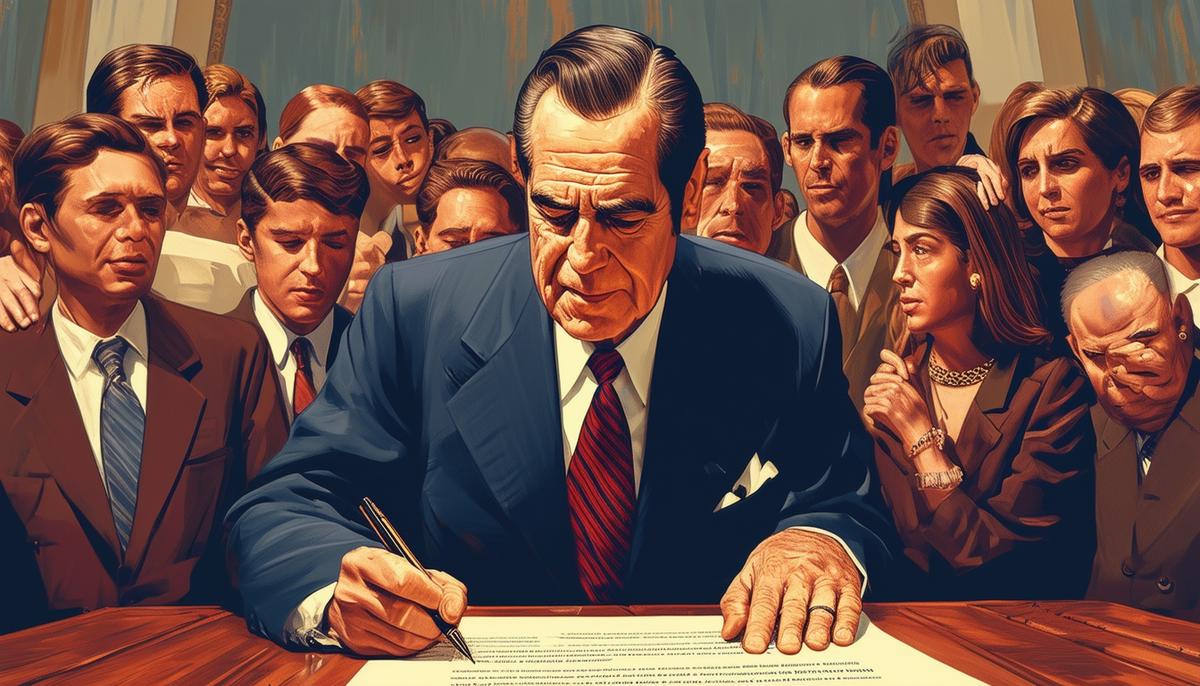
Youth Vote and 26th Amendment
The Vietnam War renewed calls to lower the voting age. President Dwight D. Eisenhower suggested reducing it to 18 in his 1954 State of the Union address, but Congress only acted in 1970 with an amendment to the Voting Rights Act. This lowered the voting age to 18 for federal elections but was...
Read more →25th Amendment and Presidential Fitness
The assassination of President John F. Kennedy in 1963 exposed a critical weakness in the U.S. Constitution regarding presidential incapacitation. Before the 25th Amendment, there was no clear guidance on how to proceed if a president couldn't perform their duties due to injury, illness, or other...
Read more →
Repealing the 22nd Amendment
The 22nd Amendment to the United States Constitution addresses the balance between effective leadership and the prevention of concentrated power. This amendment, shaped by historical events and public sentiment, continues to spark debate about its relevance and impact on democratic governance. By...
Read more →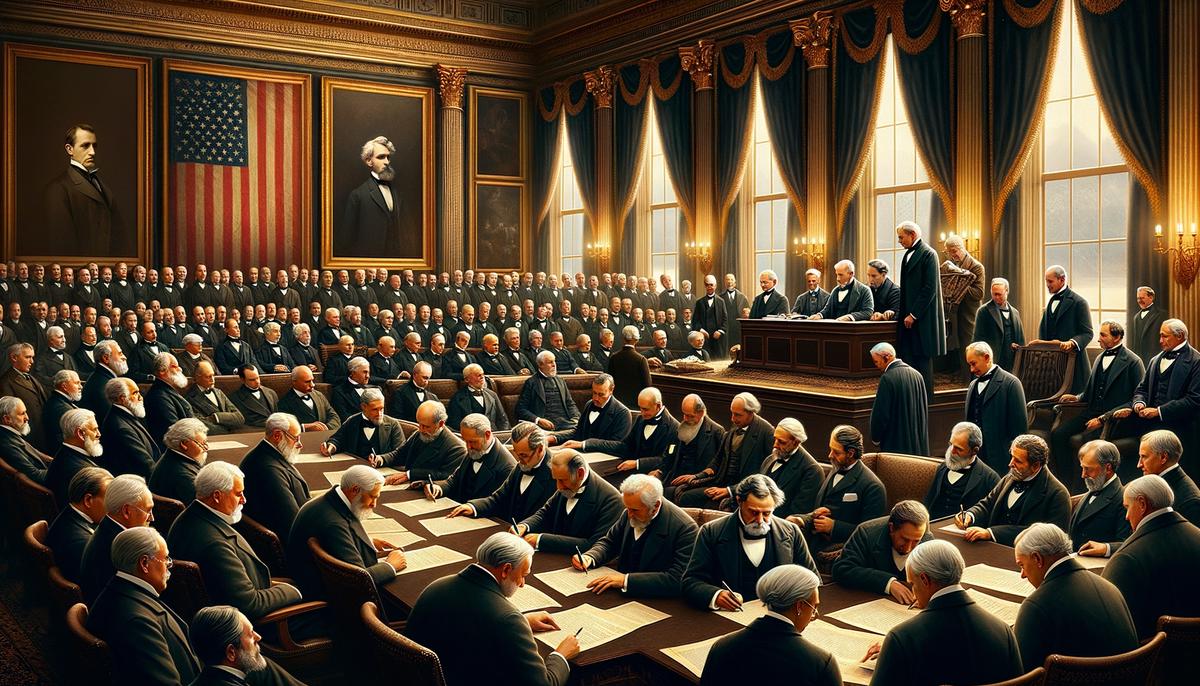
16th Amendment and Progressive Taxation
The Sixteenth Amendment, ratified in 1913, allowed Congress to levy an income tax without apportioning it among the states. This amendment was born out of financial necessity and political maneuvering. During the Civil War, Congress imposed the first income tax in 1861, initially as a 3% flat tax...
Read more →
17th Amendment and Senate Accountability
The late 19th and early 20th centuries saw state legislatures grappling with corruption and gridlock in senatorial selections. The Progressive Era's call for reform led to the 17th Amendment, which mandated direct election of senators by the people. Originally, the Founding Fathers designed the...
Read more →
Second Amendment and Stand-Your-Ground
The Second Amendment, ratified in 1791, emerged from the post-Revolutionary American landscape. The Founding Fathers, having recently gained independence from British rule, sought to prevent tyranny in their new nation. The Philadelphia Convention of 1787 saw intense debates among figures like...
Read more →
First Amendment and Digital Censorship
The state action doctrine, established in the Civil Rights Cases of 1883, limits the application of constitutional protections to government actions, not private ones. This principle has significant implications for the First Amendment, primarily restricting its application to governmental conduct....
Read more →
Fourth Amendment and Data Collection
In the 18th century, Britain's use of writs of assistance to search American colonists' properties sparked resentment. These general search warrants allowed customs officials to conduct broad, unspecified searches. James Otis famously argued against these writs in 1761, emphasizing the importance...
Read more →
Second Amendment and Background Checks
The Second Amendment holds a significant place in American history and continues to shape contemporary debates on gun control. Understanding its origins and the Founding Fathers' intentions provides valuable insight into current discussions. As we address the intricacies of public opinion,...
Read more →
First Amendment and Free Speech Zones
Free speech zones emerged on college campuses in the 1980s and 1990s as a means of balancing open expression with maintaining order. Universities aimed to protect normal campus functions by confining protesters to specific areas. The Widmar v. Vincent (1981) Supreme Court decision set the...
Read more →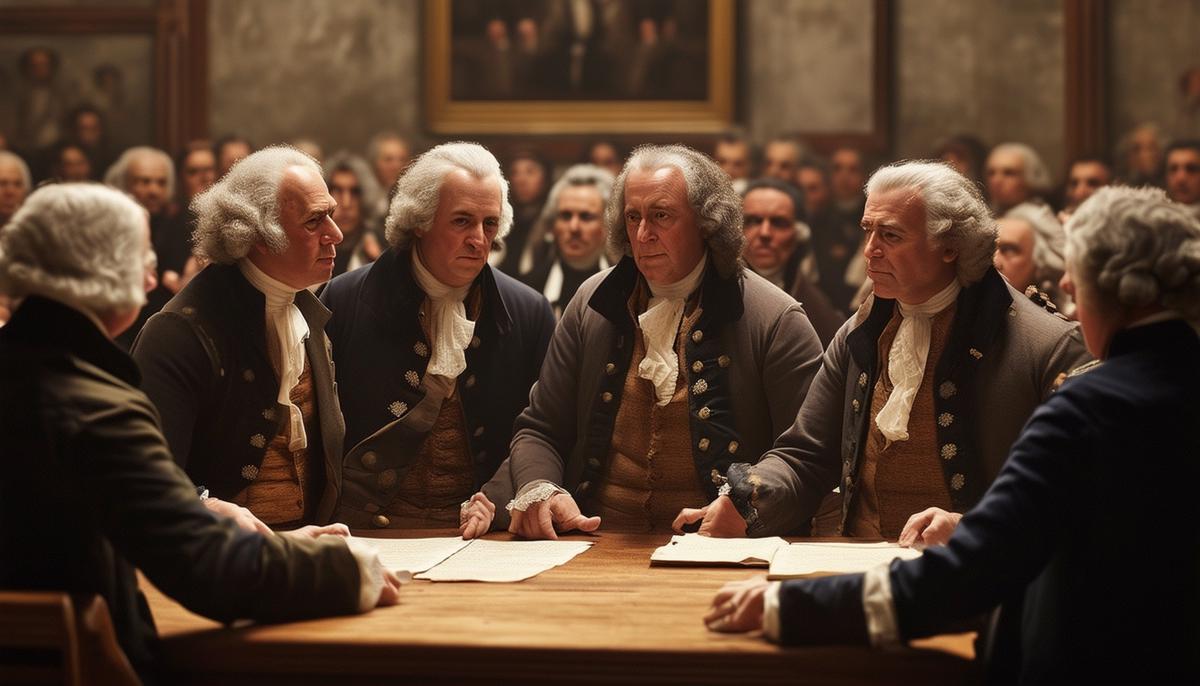
10th Amendment and Marijuana Legalization
The 10th Amendment, ratified in 1791, is a cornerstone of American federalism. It states: "The powers not delegated to the United States by the Constitution, nor prohibited by it to the States, are reserved to the States respectively, or to the people." This amendment emerged from debates during...
Read more →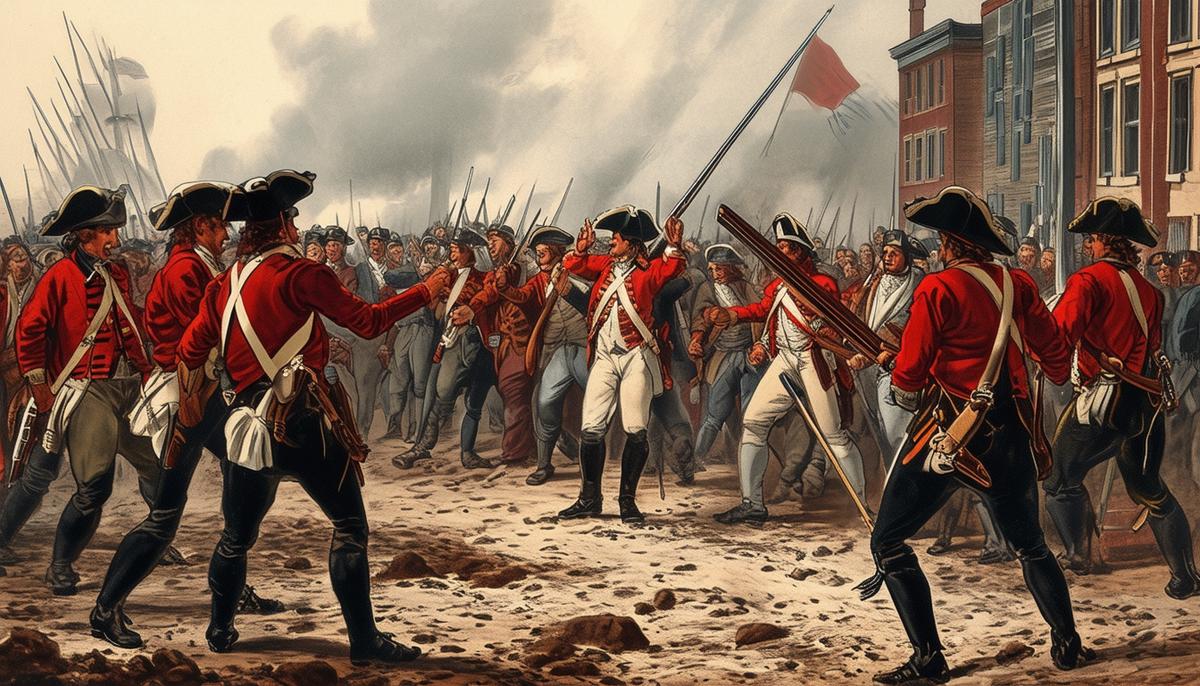
Third Amendment and National Security
The Third Amendment originated from American colonists' dissatisfaction with British policies, particularly the Quartering Acts. These laws required colonists to house and provide for British soldiers, even in private homes if necessary. This practice was seen as an intrusion into personal space...
Read more →