
Constitution World
Founding Fathers
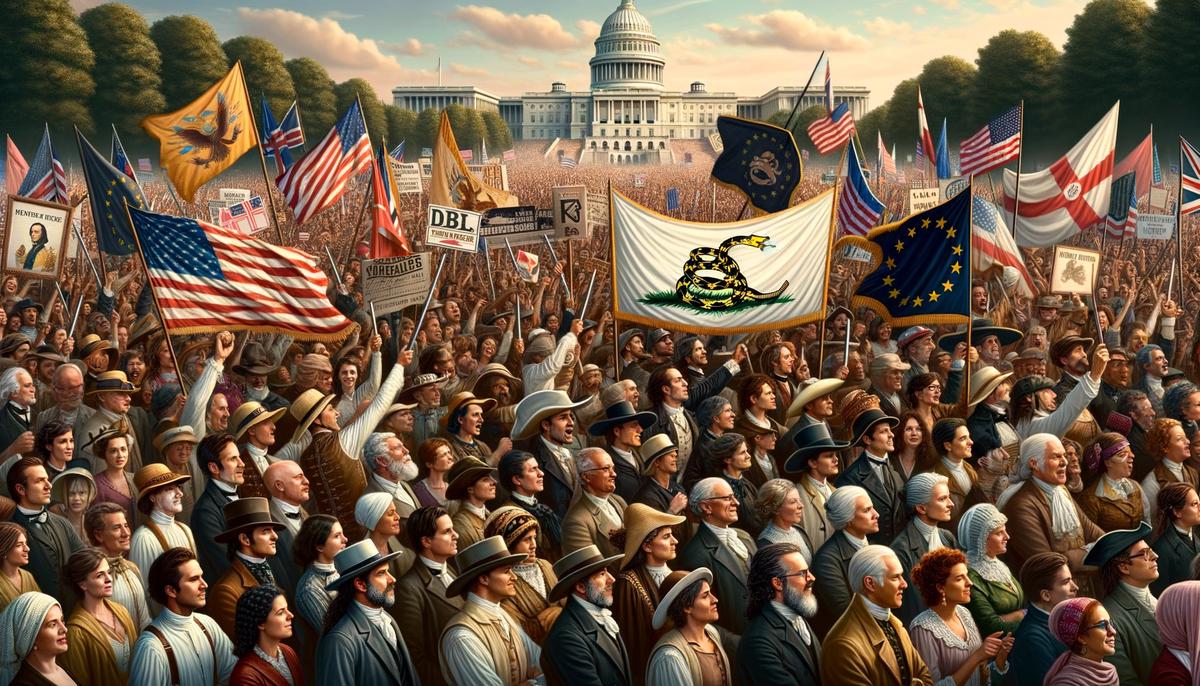
Founders' Impact on Tea Party
The philosophies of the Founding Fathers continue to shape American political movements, including the Tea Party. The Founders expressed skepticism about excessive government control while valuing individual rights. This cautious stance on governance reflects a deep understanding of civil liberties...
Read more →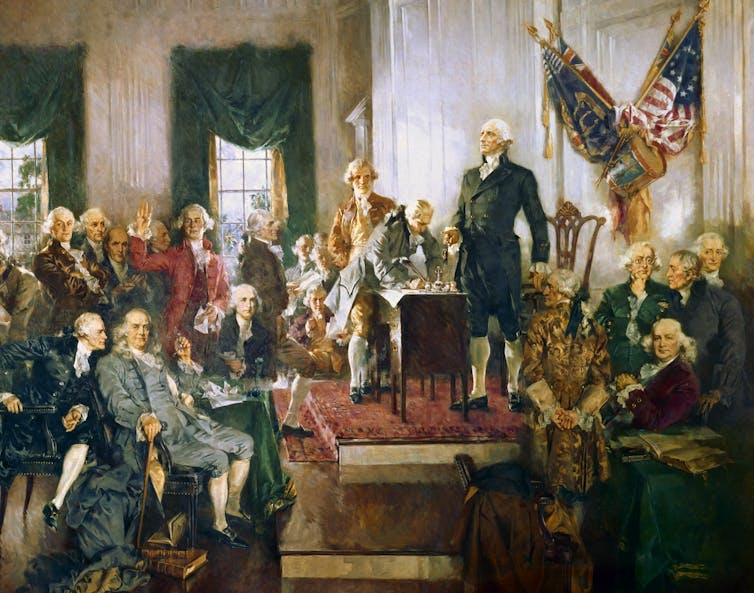
Founding Fathers on Standing Armies
The Founding Fathers grappled with the role of military power in the new nation. Elbridge Gerry was particularly concerned about unchecked authority and resisted giving the central government full command over state militias. He feared a strong standing army could lead to despotism . While Gerry...
Read more →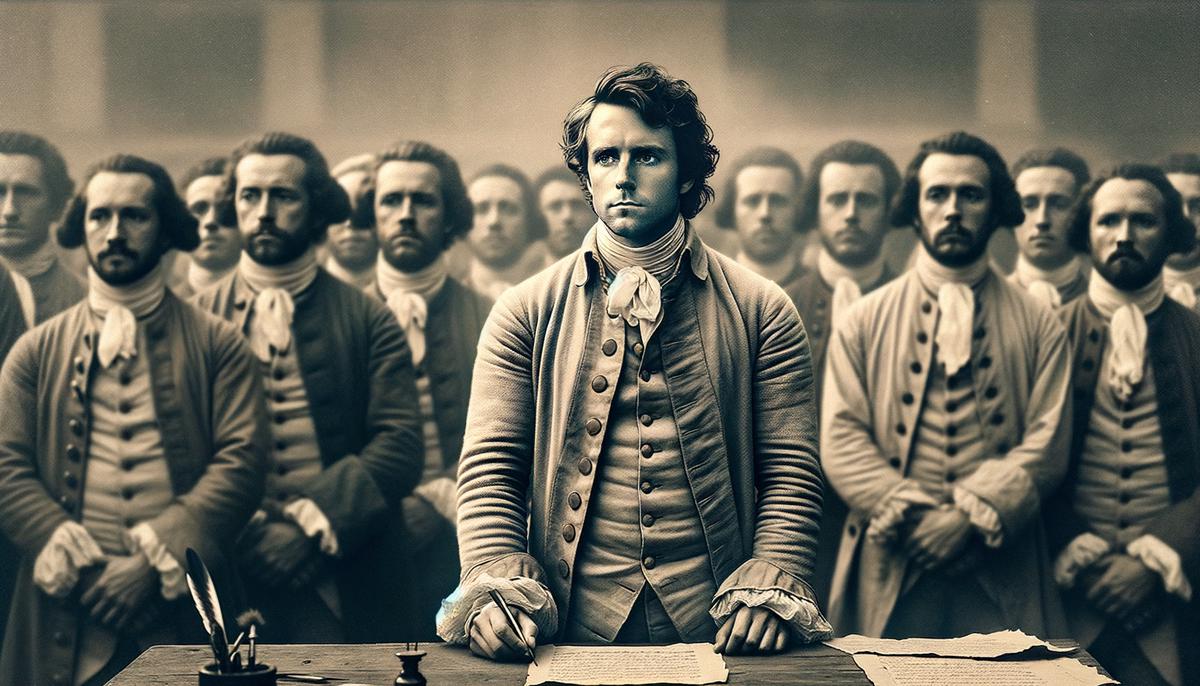
George Mason and Bill of Rights
George Mason, a wealthy Virginia plantation owner, played a pivotal role in drafting the Virginia Declaration of Rights in 1776. This groundbreaking document had far-reaching influence both nationally and internationally. Mason, known for his fierce advocacy of individual liberty and skepticism of...
Read more →
Thomas Paine and Common Sense
Born in 1737 in Thetford, England, Thomas Paine came from modest beginnings. His upbringing shaped his views on class structures and governance. Early experiences in various trades exposed him to societal disparities, influencing his critical perspective on government. A meeting with Benjamin...
Read more →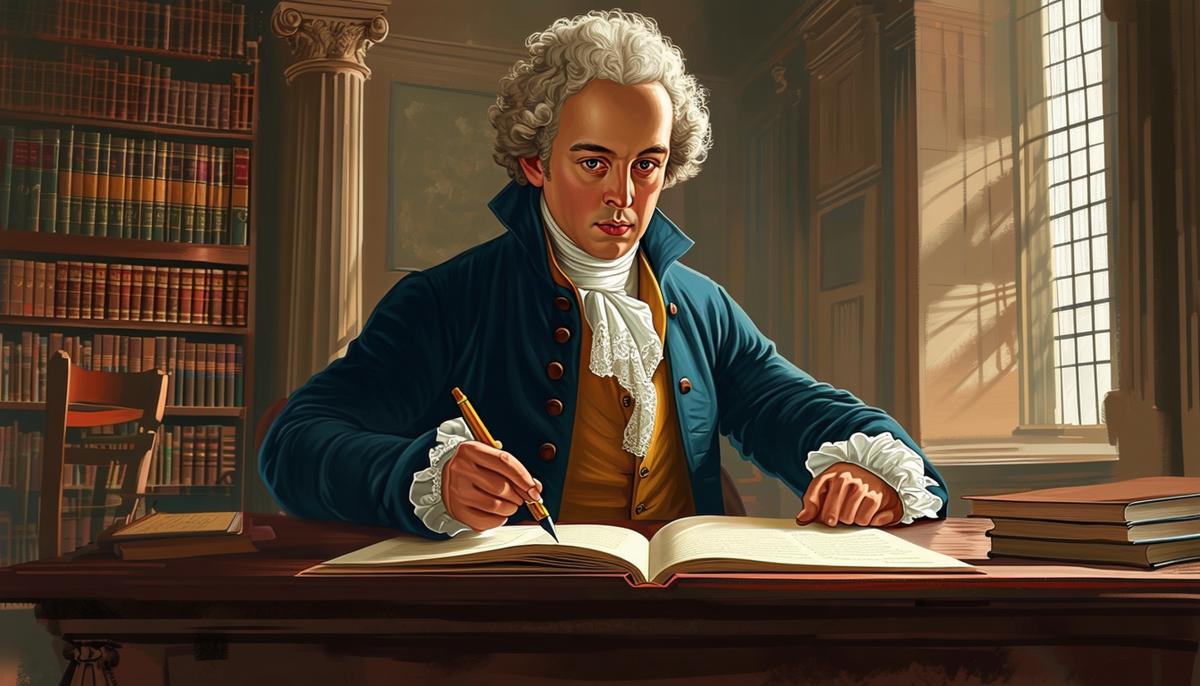
Gouverneur Morris and the Preamble
Gouverneur Morris, born in 1752 into a prominent Tory family in Morrisania, New York, demonstrated exceptional intellect from an early age. He completed both his bachelor's and master's degrees at King's College by 1771, showcasing his academic prowess. Despite his conservative upbringing, Morris...
Read more →
Samuel Adams & Boston Tea Party
Samuel Adams grew up in a household committed to self-governance ideals. His father, Samuel Adams Sr., was involved in Boston politics and the brewing business. In the 1730s, his father co-founded the Land Bank to address currency shortages, but Parliament's outlawing of it led to family...
Read more →
John Jay's Treaty of Paris Role
Born on December 12, 1745, John Jay grew up in New Rochelle, New York. He attended King's College (now Columbia University) at age 14, setting him on a path to prominence. Jay entered law during his final college days, clerking for Benjamin Kissam, a top New York attorney. The Stamp Act crisis...
Read more →
Franklin's French Diplomacy
Benjamin Franklin, aged seventy and gout-ridden, faced a tough task in France. The fledgling United States needed allies to survive its fight for independence from Britain. Franklin had to charm the French court despite his limited language skills. Franklin's humble American attire became a hit in...
Read more →
Hamilton's Financial Legacy
Alexander Hamilton, the nation's first Secretary of the Treasury, championed the creation of the First Bank of the United States. The bank was designed to stabilize the young nation's credit and ensure a smooth flow of currency. Hamilton's plan modeled this bank after Britain's, aiming to establish...
Read more →
Madison's Impact on Federalism
James Madison introduced a perspective on federalism that sought to balance centralized and decentralized power. He envisioned federalism as a midpoint, providing both national cohesion and state autonomy. Madison's early thinking leaned toward strong national oversight, as evidenced by the...
Read more →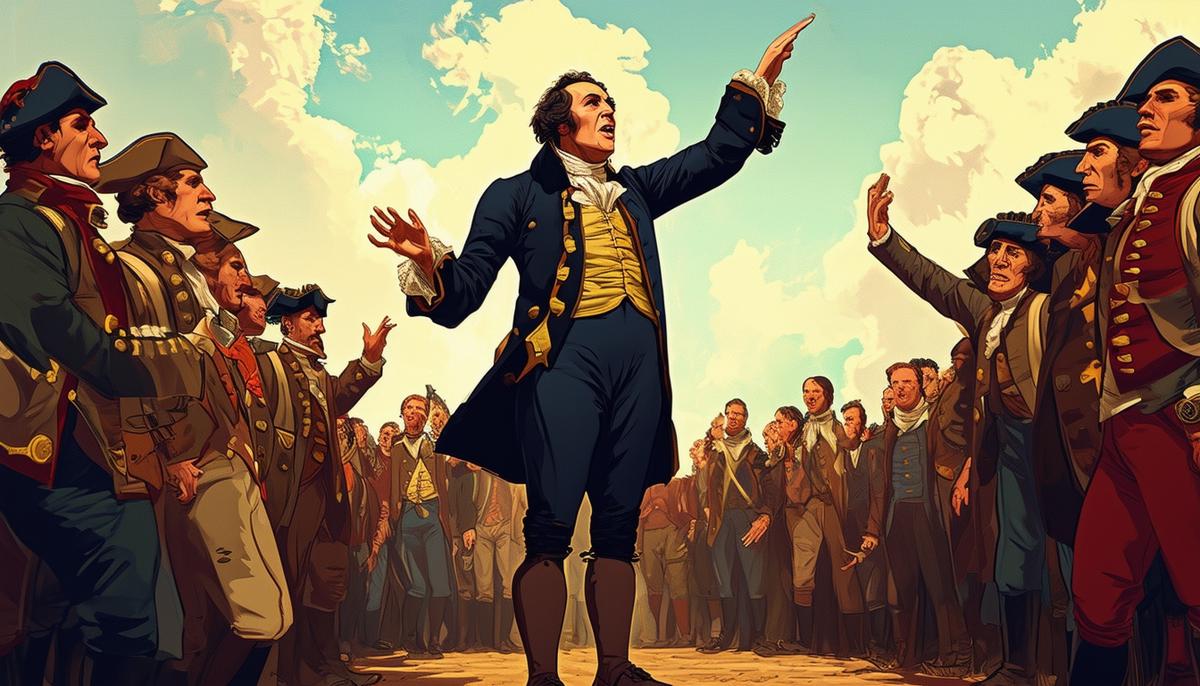
Patrick Henry's Opposition to the Constitution
Patrick Henry's dedication to liberty and skepticism of centralized power have left an indelible mark on American history. His impassioned speeches and unwavering principles provide invaluable insight into the foundational debates that shaped the United States, offering a compelling perspective on...
Read more →
Adams and Jefferson Letters
The relationship between John Adams and Thomas Jefferson offers valuable insights into the early years of the United States. Their journey from friendship to rivalry and back to reconciliation reflects the complexities of the nation's founding. Their correspondence provides a window into their...
Read more →
Washington's Military Legacy
George Washington was appointed commander of the Continental Army on June 14, 1775. Despite his military experience, leading the Virginia Militia and fighting in the French and Indian War, commanding a large army was new territory. In Boston, Washington organized a group of inexperienced New...
Read more →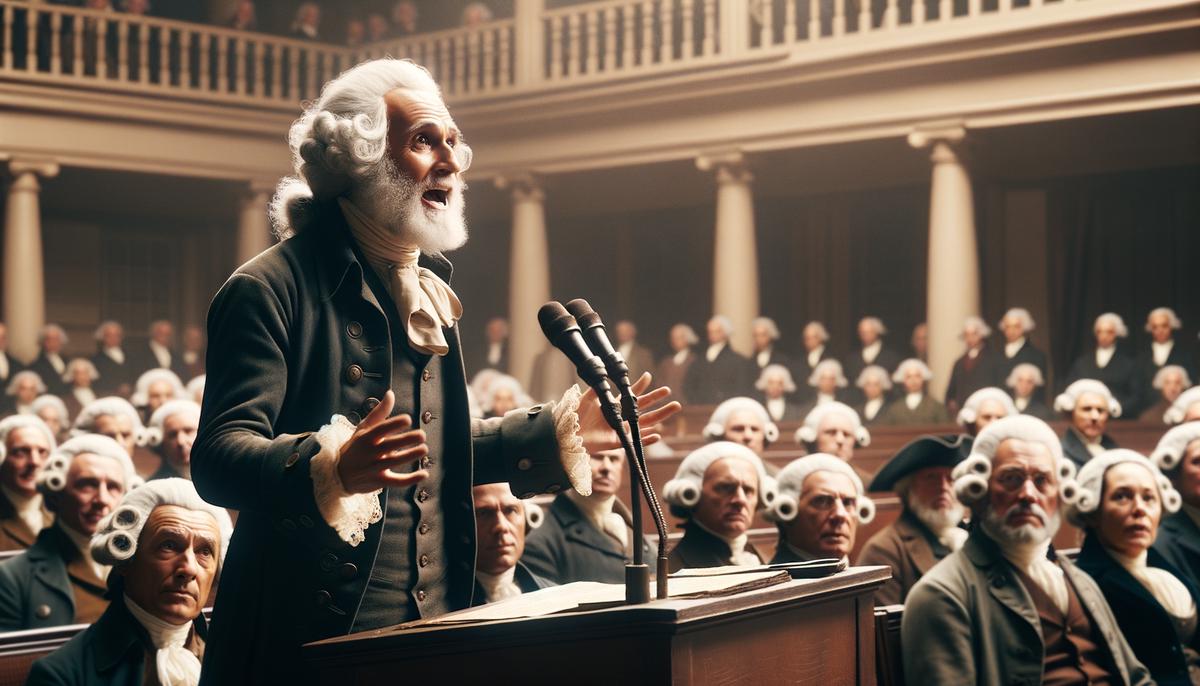
Roger Sherman and Bicameral Legislature
Roger Sherman, born in 1721 in Newton, Massachusetts, had modest beginnings on a small farm. He worked as a shoemaker but was known for his love of learning, often seen with a book in hand. The local pastor, Samuel Dunbar, mentored Sherman, guiding his education beyond his trade. In 1743, Sherman...
Read more →