
Constitution World
Articles by Aisha Williams
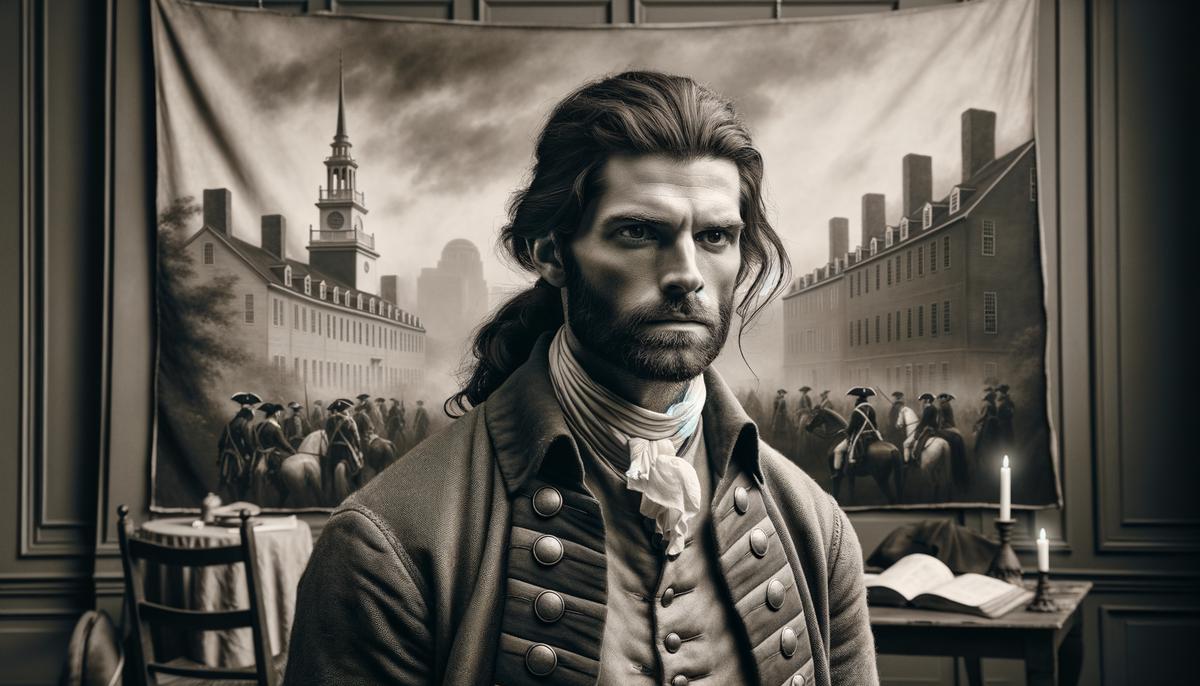
Samuel Adams & Boston Tea Party
Samuel Adams grew up in a household committed to self-governance ideals. His father, Samuel Adams Sr., was involved in Boston politics and the brewing business. In the 1730s, his father co-founded the Land Bank to address currency shortages, but Parliament's outlawing of it led to family...
Read more →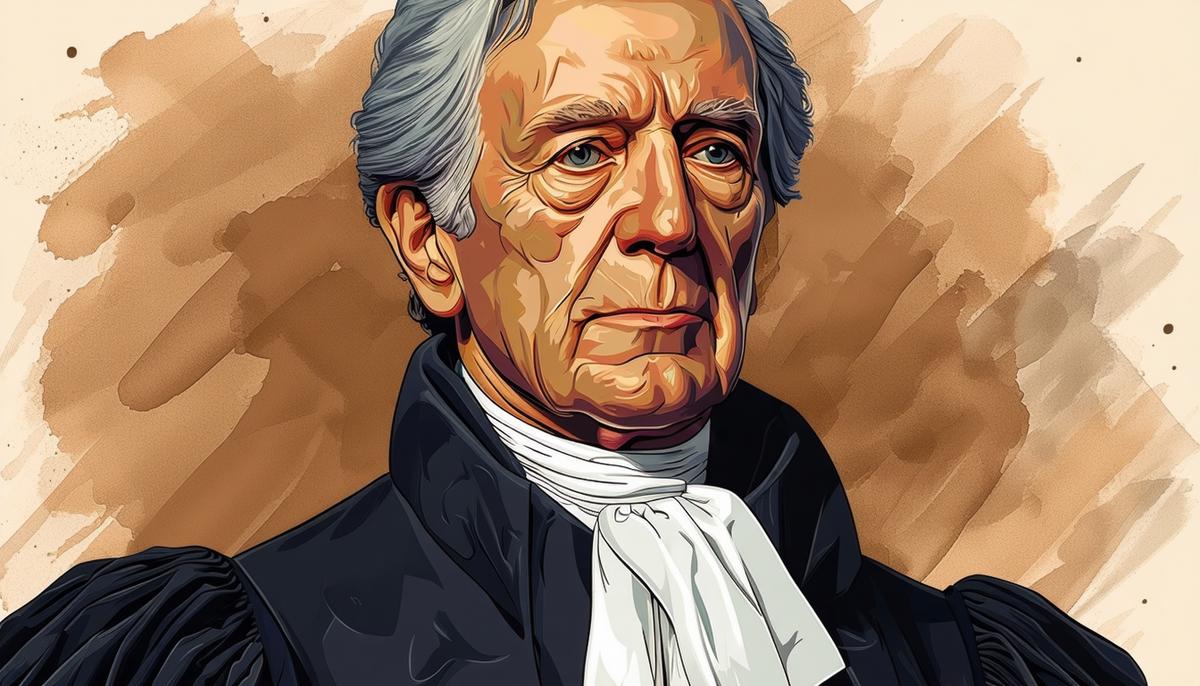
John Jay's Treaty of Paris Role
Born on December 12, 1745, John Jay grew up in New Rochelle, New York. He attended King's College (now Columbia University) at age 14, setting him on a path to prominence. Jay entered law during his final college days, clerking for Benjamin Kissam, a top New York attorney. The Stamp Act crisis...
Read more →Not Receiving Our Emails?
Step 1: Check your Spam Folder. Click the “Not Spam” button if you see it in the spam folder. This will move the email to your inbox, and ensure delivery to the inbox next time. Step 2: Add [email protected] to your contact list. Attention Gmail Users! Gmail puts our emails in the...
Read more →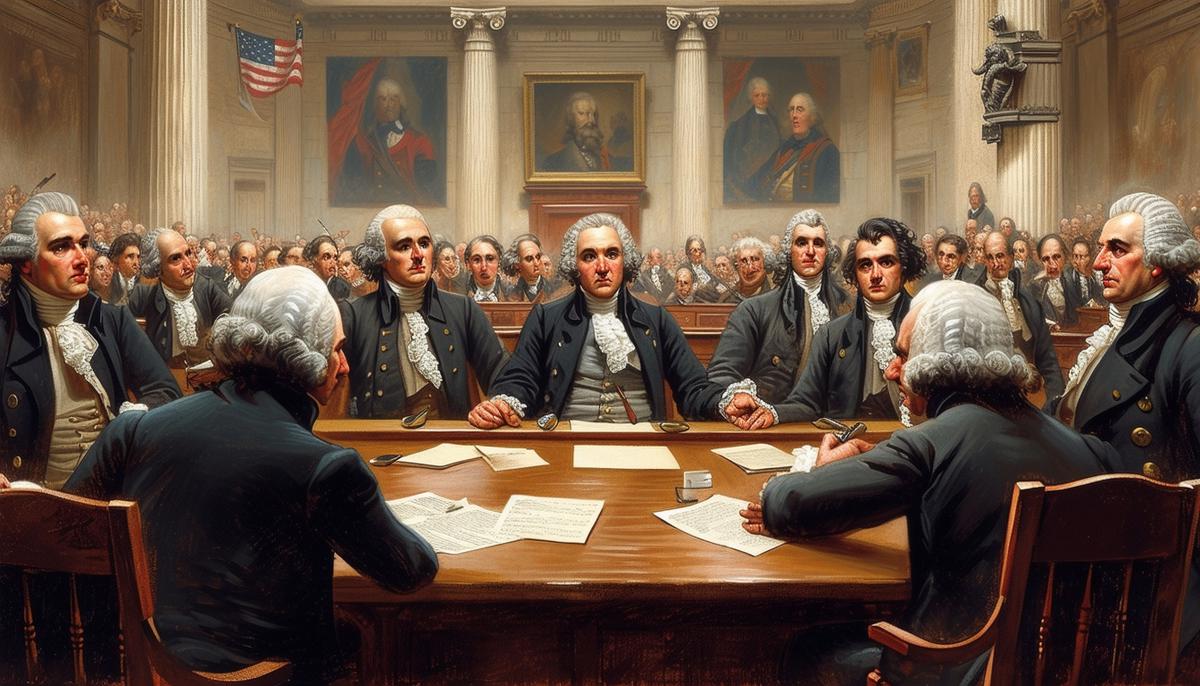
Adams and Alien Sedition Acts
The late 1790s in America was a turbulent period. The young nation found itself in an undeclared conflict known as the Quasi-War with France, stemming from diplomatic disputes, particularly the XYZ Affair. This situation stirred public unrest and calls for stronger responses. President John Adams,...
Read more →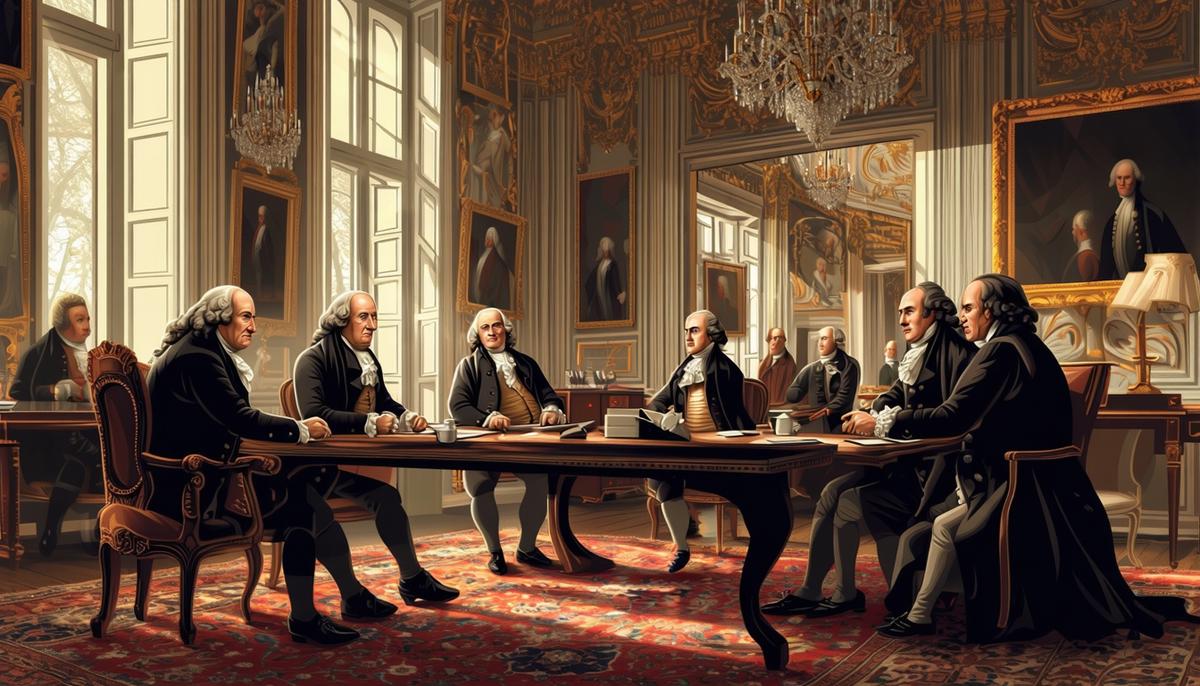
Franklin's French Diplomacy
Benjamin Franklin, aged seventy and gout-ridden, faced a tough task in France. The fledgling United States needed allies to survive its fight for independence from Britain. Franklin had to charm the French court despite his limited language skills. Franklin's humble American attire became a hit in...
Read more →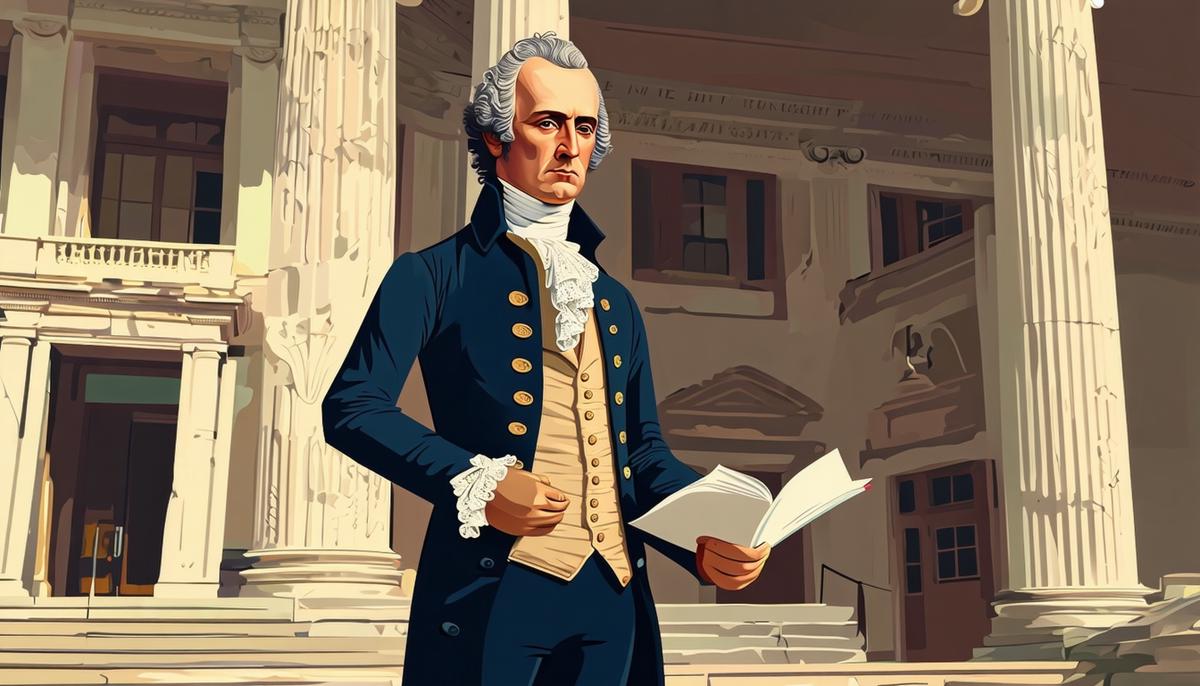
Hamilton's Financial Legacy
Alexander Hamilton, the nation's first Secretary of the Treasury, championed the creation of the First Bank of the United States. The bank was designed to stabilize the young nation's credit and ensure a smooth flow of currency. Hamilton's plan modeled this bank after Britain's, aiming to establish...
Read more →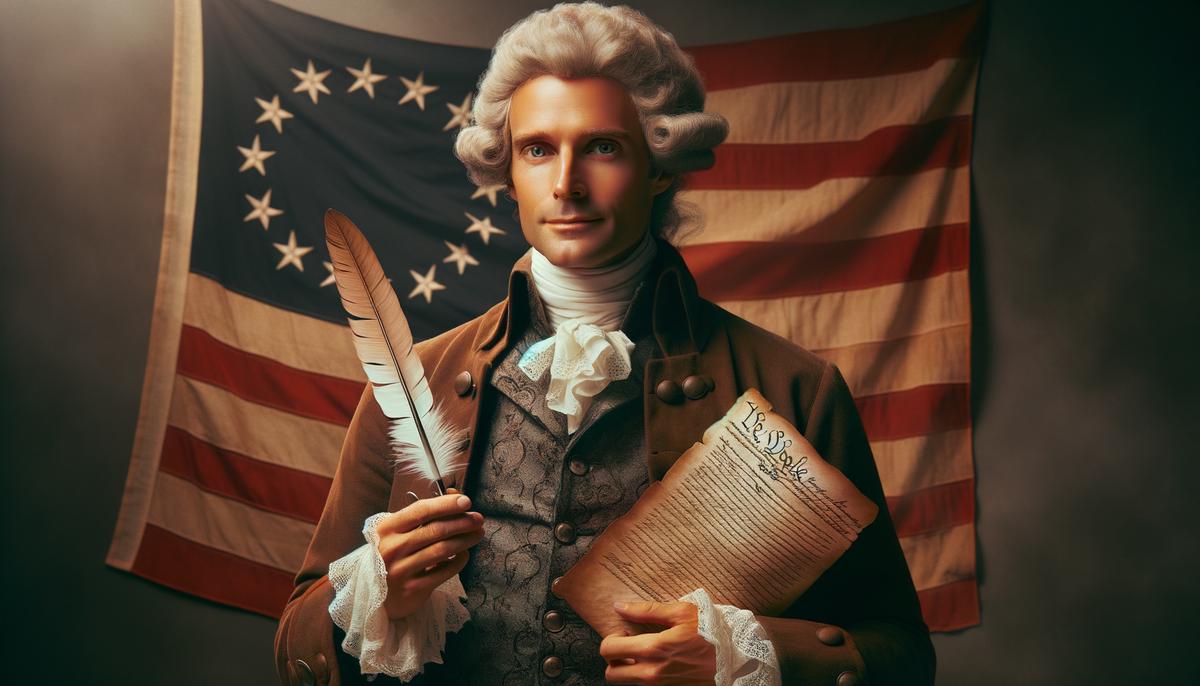
Madison's Impact on Federalism
James Madison introduced a perspective on federalism that sought to balance centralized and decentralized power. He envisioned federalism as a midpoint, providing both national cohesion and state autonomy. Madison's early thinking leaned toward strong national oversight, as evidenced by the...
Read more →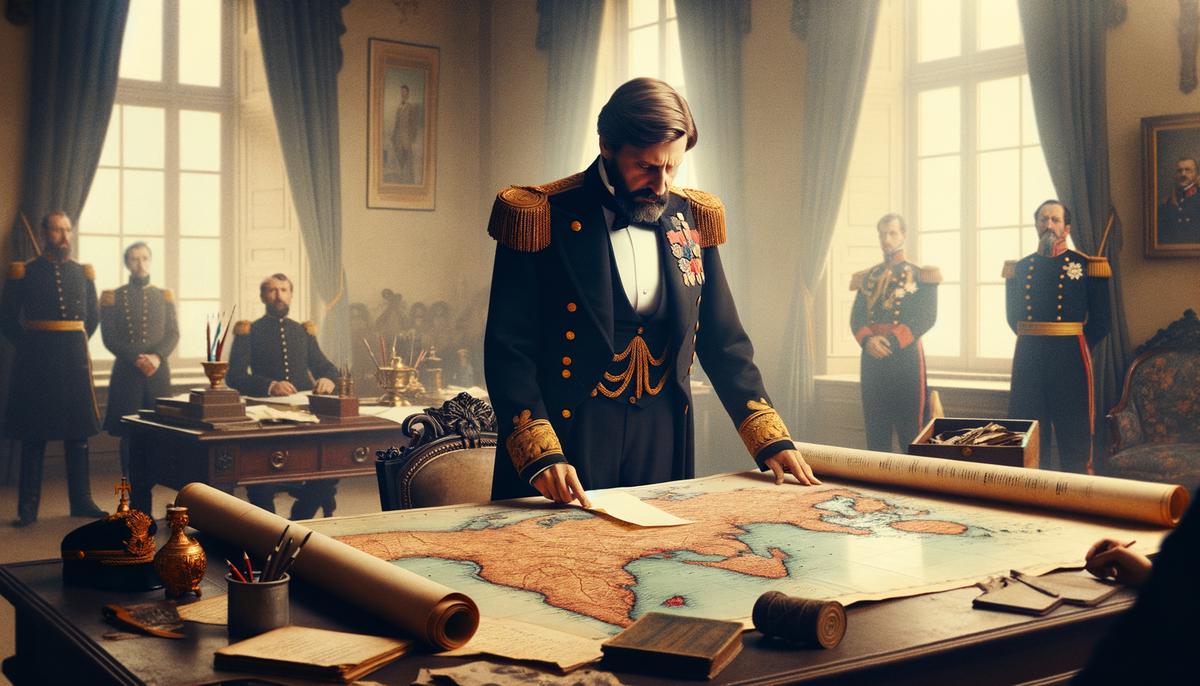
Jefferson and Louisiana Purchase
In the early 1800s, the Mississippi River was crucial for U.S. commerce and transport as expansion crossed the Appalachians. New Orleans was a key location, controlling important trading routes. Jefferson recognized the potential threat of Napoleon Bonaparte's imperial ambitions in North America,...
Read more →
Ninth Amendment & Digital Privacy
The Ninth Amendment to the U.S. Constitution, ratified in 1791, states that the enumeration of certain rights in the Constitution does not undermine others retained by the people. This amendment emerged from concerns that listing specific rights might inadvertently limit the range of personal...
Read more →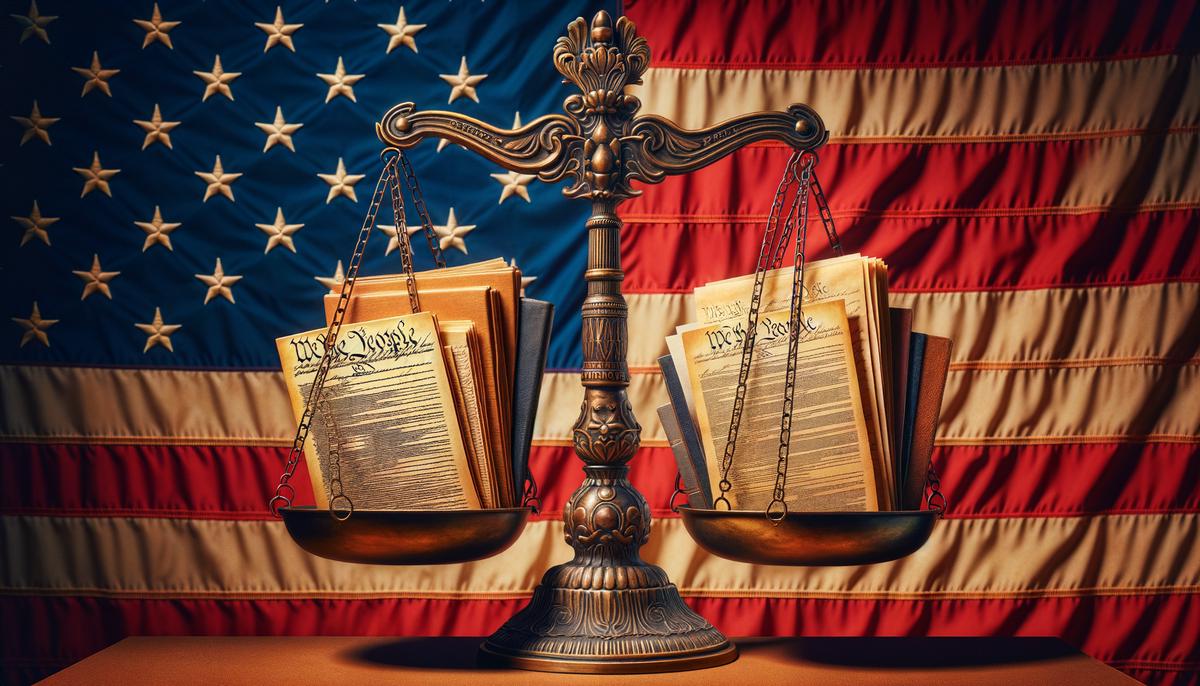
Fifth Amendment in Immigration
The Fifth Amendment's due process clause applies to all "persons" under U.S. jurisdiction, including immigrants. This provides protection against arbitrary government actions, even for undocumented individuals. Immigration enforcement often tests these due process protections. For instance,...
Read more →
Constitutionality of Gender-Neutral Restrooms
The evolution of privacy rights in the United States has significantly influenced public policies, including those concerning restroom access. The Fourth Amendment laid the groundwork for privacy rights, protecting individuals from unreasonable searches and seizures. This concept expanded over time...
Read more →Fourth Amendment and Workplace Privacy
Public and private sector employees face different landscapes regarding their privacy at work. The Fourth Amendment, which guards against unreasonable searches and seizures, applies to government employees and requires workplace searches to be reasonable, related to official duties, and not...
Read more →Second Amendment and Assault Weapons
The Second Amendment of the United States Constitution initially emphasized state militias, essential for the newly independent nation facing various threats. The language about a "well-regulated militia" left room for debate about whether it granted collective or individual rights. In the 18th...
Read more →
Seventh Amendment and Tort Reform
The Seventh Amendment guarantees the right to a jury trial in civil cases, rooted in English common law and fundamental to American legal tradition. It aims to ensure fairness by bringing community judgment into the courtroom. This amendment is particularly relevant in tort law, which allows...
Read more →
Fifth Amendment Right to Silence
The Fifth Amendment's right against self-incrimination is a cornerstone of American legal protections, rooted in historical experiences. It originates from a fear of coerced confessions, exemplified by practices in medieval courts and the Star Chamber in England. The Founding Fathers, well-versed...
Read more →
Eighth Amendment Juvenile Sentences
The Eighth Amendment, part of the Bill of Rights, was designed to prohibit excessive bail, fines, and severe penalties. Its purpose was to foster a fairer society and maintain balance in the justice system. In modern times, the Supreme Court continues to interpret the meaning of "cruel and unusual"...
Read more →
Sixth Amendment Public Trial
The Sixth Amendment's right to a public trial has deep roots in English common law. English courts operated on the principle that justice should be visible to all. John Lilburne, during his 1649 trial for high treason, passionately expressed that this openness was essential for free people. He...
Read more →
Fourth Amendment and Drones
The Fourth Amendment protects citizens from unreasonable searches and seizures, safeguarding personal privacy. This constitutional principle aims to limit governmental power. How does this apply to modern drone technology? Drones present new challenges to Fourth Amendment interpretations. In Kyllo...
Read more →
First Amendment & Hate Speech
The First Amendment provides the foundation for free speech in America. While celebrated, its interpretation has been debated throughout history, particularly regarding hate speech. The Supreme Court has generally protected even offensive speech unless it directly incites violence or illegal...
Read more →
Ninth Amendment & Reproductive Rights
The Ninth Amendment addresses the Founding Fathers' concern about listing specific rights in the Constitution. James Madison wanted to ensure that enumerating certain rights didn't diminish the importance of unlisted ones. The amendment's language is straightforward: "The enumeration in the...
Read more →