
Constitution World
Constitutional Topics
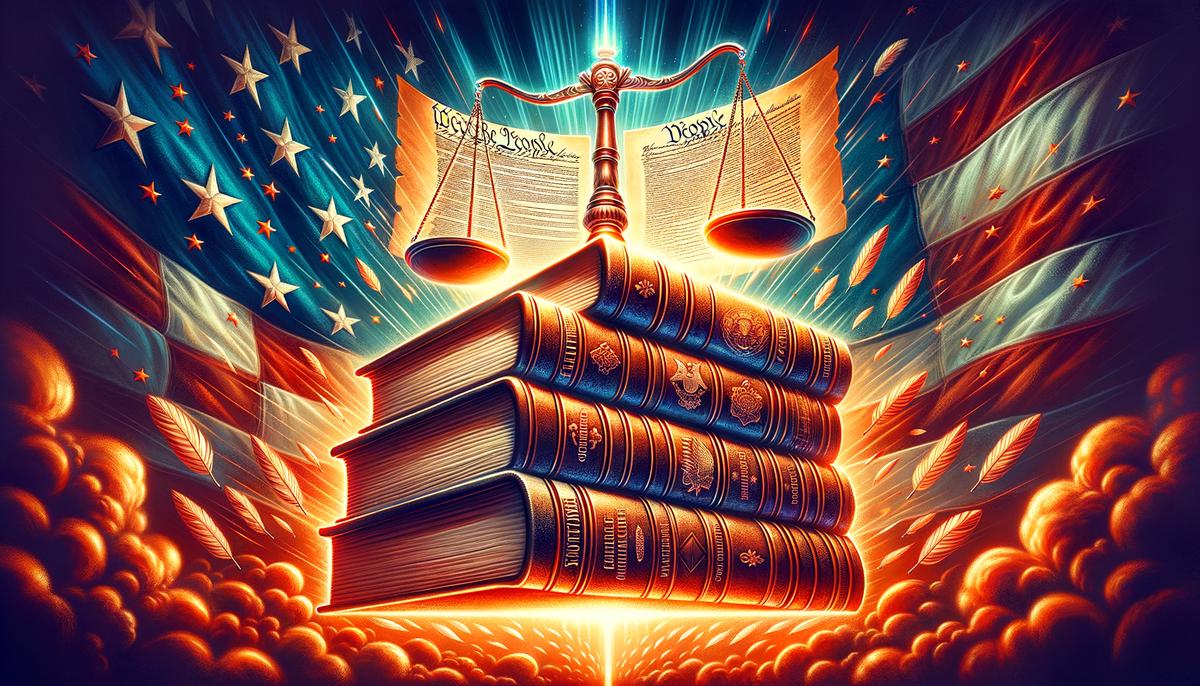
Federalist Papers' Judicial Impact
The Federalist Papers offer insights into the structure and function of the United States government, emphasizing the balance of power and protection of individual liberties within a constitutional republic. The Federalist Papers, written by Alexander Hamilton, James Madison, and John Jay under the...
Read more →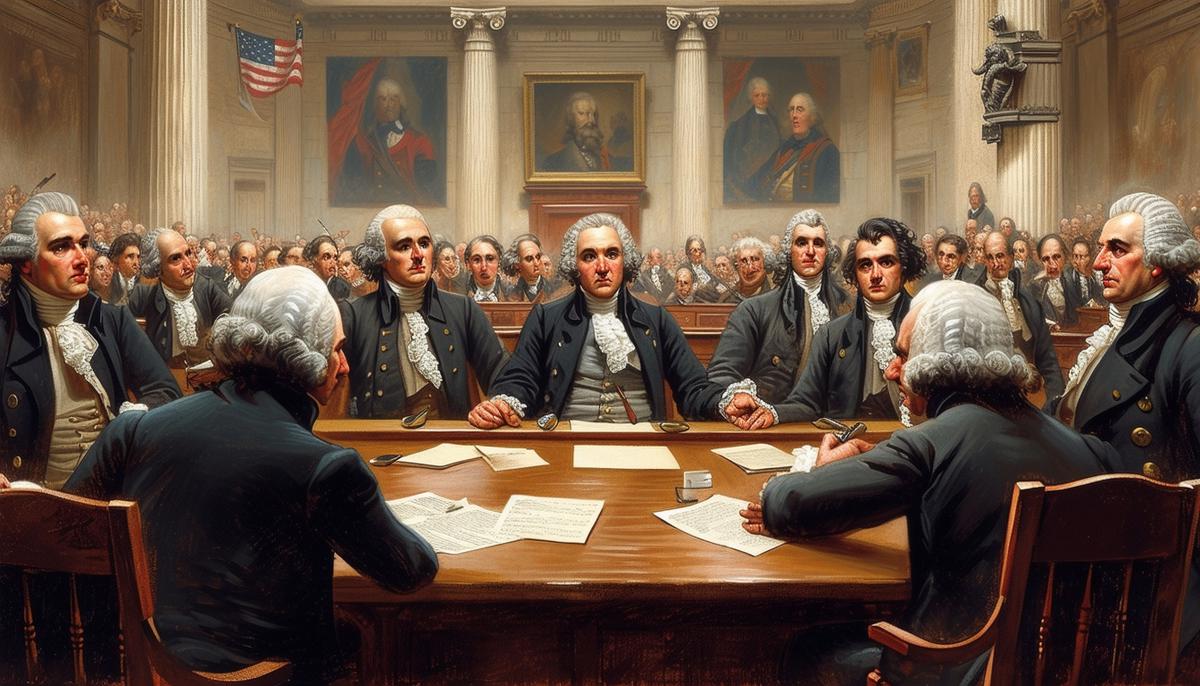
Adams and Alien Sedition Acts
The late 1790s in America was a turbulent period. The young nation found itself in an undeclared conflict known as the Quasi-War with France, stemming from diplomatic disputes, particularly the XYZ Affair. This situation stirred public unrest and calls for stronger responses. President John Adams,...
Read more →
Jefferson and Louisiana Purchase
In the early 1800s, the Mississippi River was crucial for U.S. commerce and transport as expansion crossed the Appalachians. New Orleans was a key location, controlling important trading routes. Jefferson recognized the potential threat of Napoleon Bonaparte's imperial ambitions in North America,...
Read more →
Fifth Amendment in Immigration
The Fifth Amendment's due process clause applies to all "persons" under U.S. jurisdiction, including immigrants. This provides protection against arbitrary government actions, even for undocumented individuals. Immigration enforcement often tests these due process protections. For instance,...
Read more →
Ninth Amendment & Reproductive Rights
The Ninth Amendment addresses the Founding Fathers' concern about listing specific rights in the Constitution. James Madison wanted to ensure that enumerating certain rights didn't diminish the importance of unlisted ones. The amendment's language is straightforward: "The enumeration in the...
Read more →
Tenth Amendment and Federal Funding
The Tenth Amendment, implemented in 1791, is a crucial component of the U.S. Constitution. It stipulates that any power not granted to the federal government by the Constitution belongs to the states or the people. This principle was vital to the framers, who believed in federalism —the sharing of...
Read more →Second Amendment & NRA
The Second Amendment's historical and cultural significance requires thoughtful examination of its origins and evolution. The Founding Fathers crafted a document that continues to shape American society. Interpretations have shifted over time, influenced by legal decisions and societal changes. The...
Read more →
First Amendment & Cancel Culture
The First Amendment, cornerstone of American values, embodies the Framers' vision of protecting individual freedoms within a constitutional republic. As society evolves, the interpretation and application of these freedoms face new challenges, particularly in modern discourse and digital platforms....
Read more →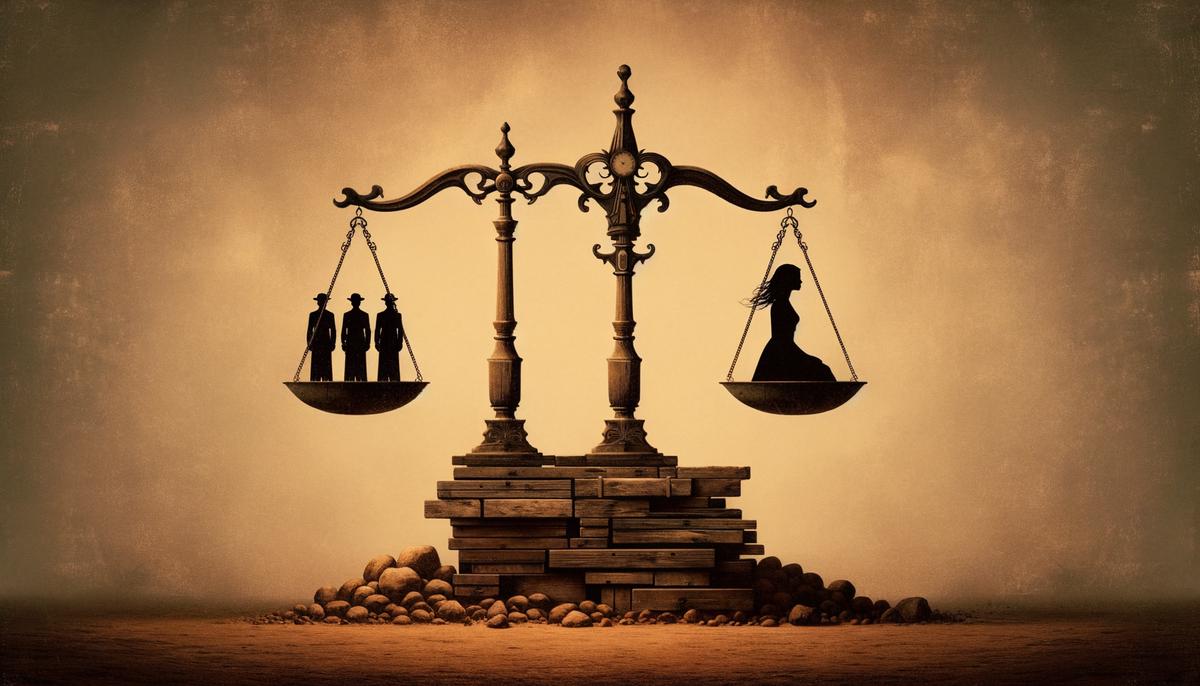
Constitutional Reparations Debate
The Constitution of the United States contains clauses that shaped the slavery narrative in the country. The Importation of Persons Clause in Article 1, Section 9 addressed the issue without using the term "slavery." Until 1808, Congress couldn't prohibit the importation of enslaved individuals,...
Read more →Impact of the 19th Amendment
The women's suffrage movement emerged from the abolitionist cause. As women like Angelina and Sarah Grimké advocated for ending slavery, they began questioning their own societal roles. This shift led many women into political activism. Abolitionist literature resonated with women, particularly in...
Read more →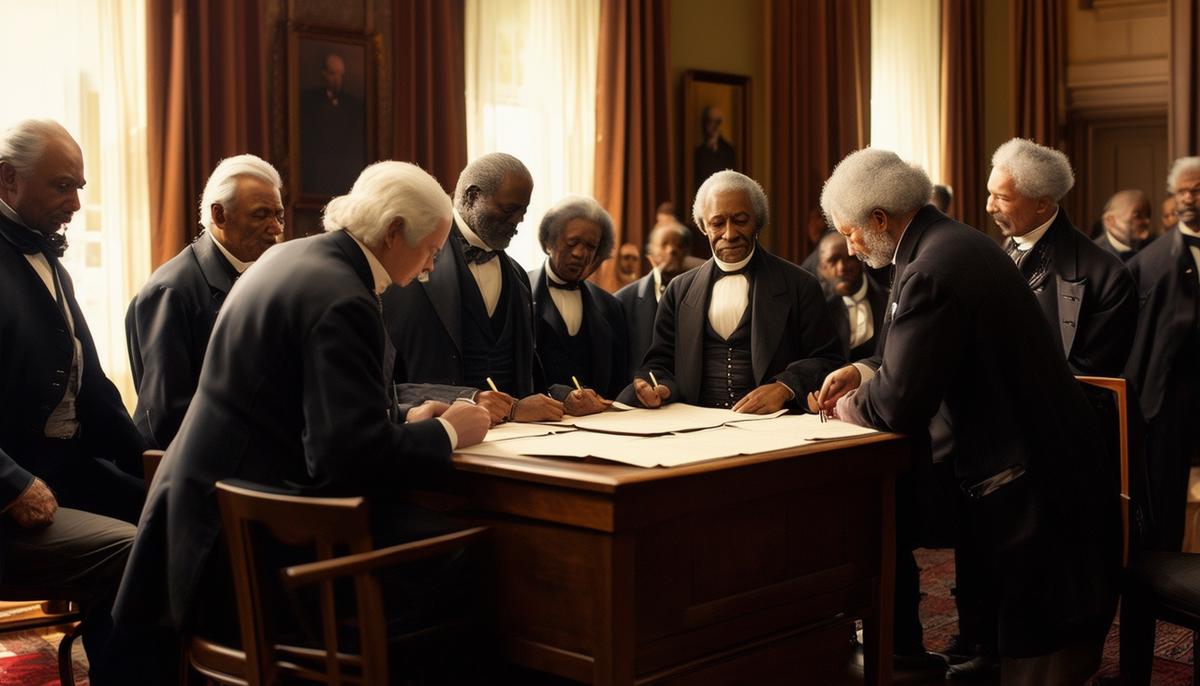
Fifteenth Amendment and Gerrymandering
The Fifteenth Amendment emerged from the Reconstruction era following the Civil War. As the nation rebuilt, it faced the challenge of integrating newly freed African Americans into society while Southern states enacted Black Codes to restrict their freedoms. Congress, led by Radical Republicans,...
Read more →Thirteenth Amendment and Modern Slavery
The ratification of the Thirteenth Amendment in 1865 marked a significant change in American history. This amendment abolished chattel slavery, stating that "neither slavery nor involuntary servitude, except as a punishment for crime, shall exist within the United States." However, this change came...
Read more →
Fourth Amendment and Body Cameras
Body-worn cameras have revolutionized how courts review police-citizen interactions, especially in traffic stops and other common encounters. The impact of video evidence on Fourth Amendment jurisprudence is significant. Courts now can examine every moment of footage, providing a definitive record...
Read more →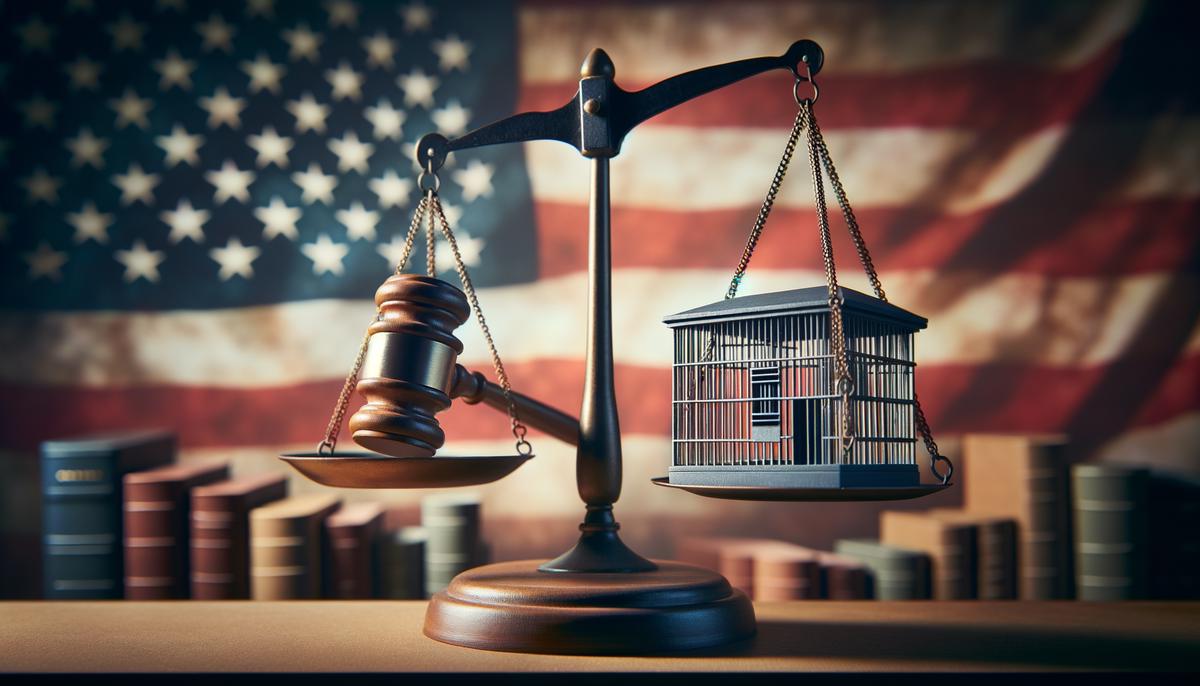
Eighth Amendment and Solitary Confinement
The Eighth Amendment of the United States Constitution prohibits excessive bail, fines, and cruel and unusual punishments. This principle has guided the Supreme Court in shaping our understanding of humane treatment within the penal system. Through various legal precedents and evolving standards,...
Read more →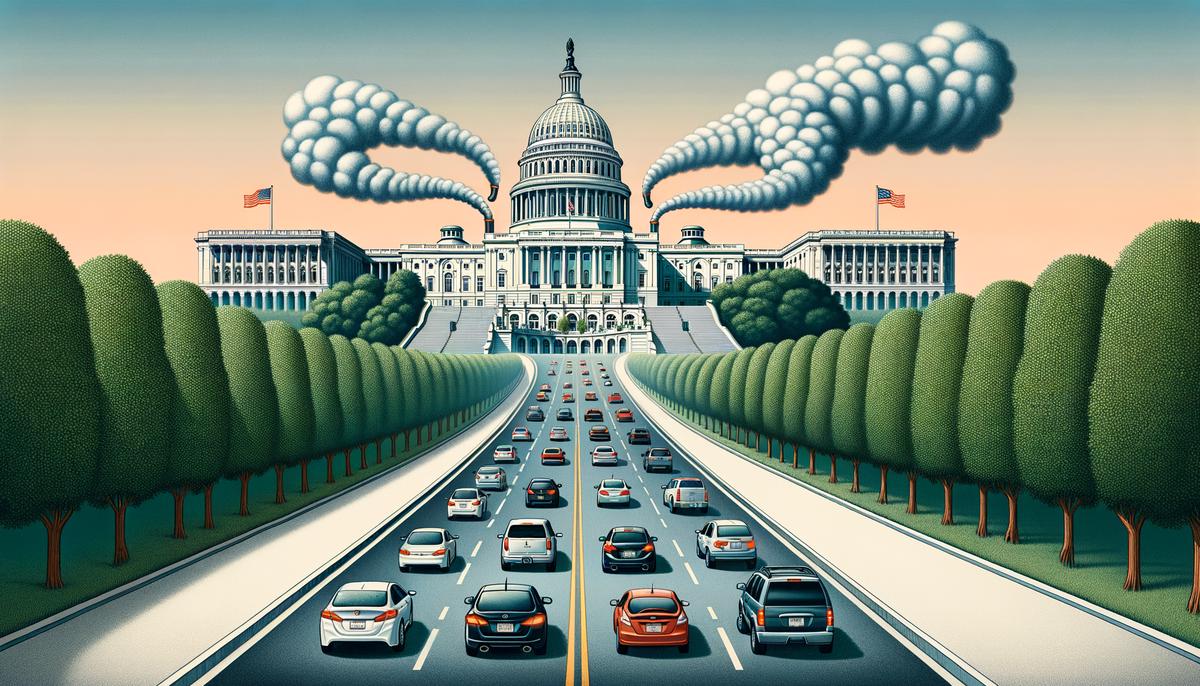
Legality of Banning Gas Cars
The principles enshrined in the U.S. Constitution serve as the foundation for evaluating modern legislative actions. Understanding how these principles apply to contemporary issues, such as banning gas cars, is crucial. By examining key constitutional provisions and their implications, we can...
Read more →
Fifth Amendment and Miranda
The Miranda rights have played a pivotal role in shaping the American criminal justice system since 1966. Rooted in the need to protect individual constitutional rights during police interrogations, these warnings have undergone significant scrutiny and evolution through landmark Supreme Court...
Read more →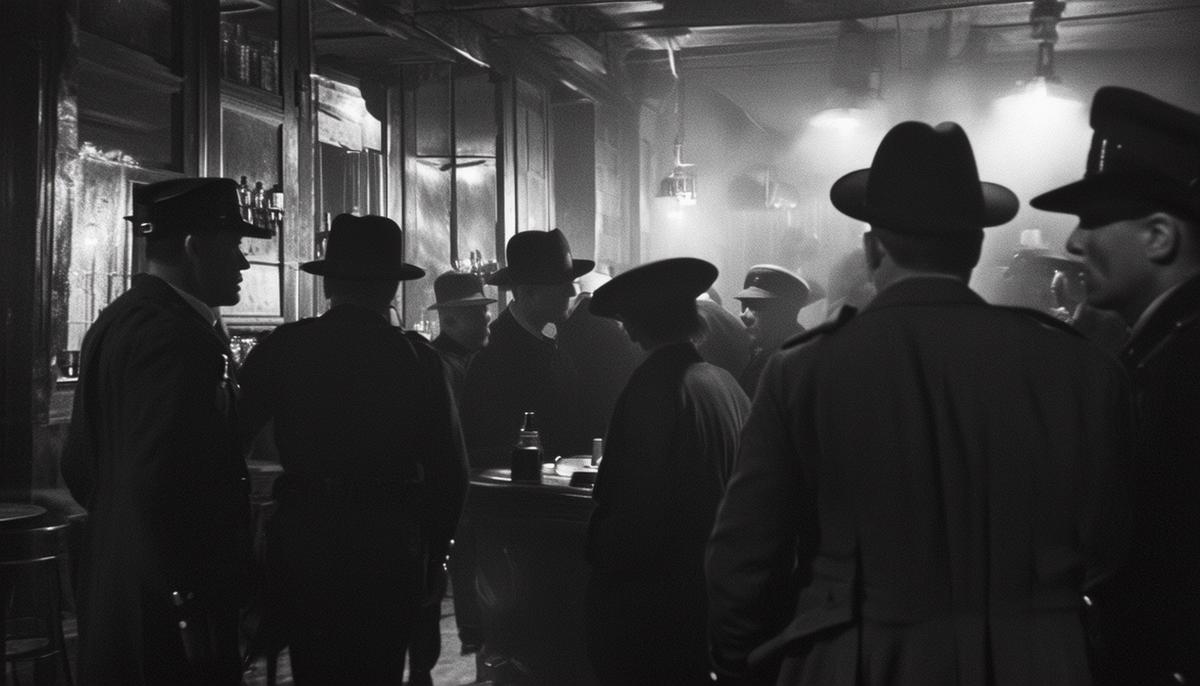
21st Amendment and Alcohol Regulation
The 21st Amendment's repeal of Prohibition marked a significant shift in alcohol regulation in the United States. This change from federal to state control led to diverse regulatory frameworks across the country, reflecting local preferences and cultural backgrounds. This discussion examines how...
Read more →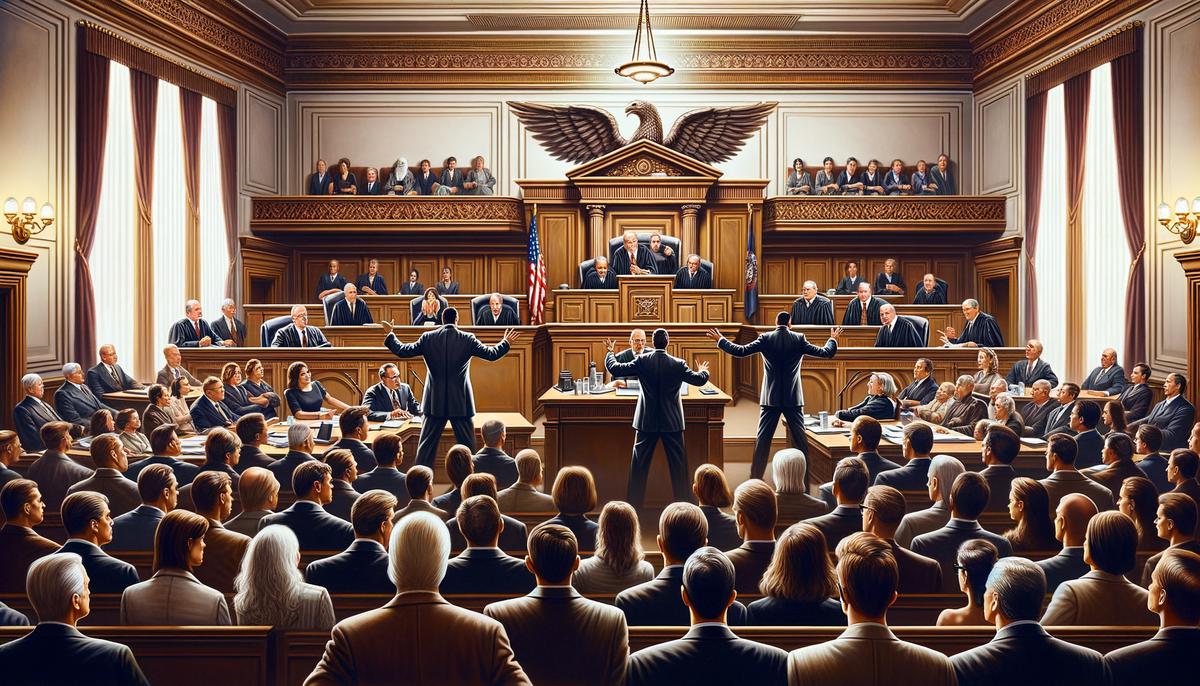
14th Amendment and Marriage Equality
The Fourteenth Amendment of the U.S. Constitution has significantly influenced American society, particularly regarding marriage equality. Key Supreme Court cases demonstrate how this amendment has been interpreted to protect fundamental rights and ensure equal treatment under the law. From Loving...
Read more →
Take Care Clause and Presidential Powers
The Take Care Clause originates in Article II, Section 3 of the U.S. Constitution: " [H]e shall take Care that the Laws be faithfully executed, and shall Commission all the Officers of the United States. " The Constitution's Framers aimed to create a government capable of effective function yet...
Read more →
Separation of Powers and Executive Orders
Executive orders are written directives issued by the President of the United States to federal officials or agencies. While not explicitly mentioned in the Constitution, these orders derive from the executive power granted to the President in Article II. They serve as a tool for managing federal...
Read more →