
Constitution World
Constitution World
The U.S. Constitution
Full Faith and Credit in Marriage
The Full Faith and Credit Clause, found in Article IV of the U.S. Constitution, ensures that states respect each other's laws and judicial proceedings. It originated within a context of unifying diverse state laws into one coherent national framework. Framed by the Constitutional Convention, the...
Read more →
Guarantee Clause and State Governance
The Guarantee Clause originates from the Constitutional Convention of 1787, shaped by framers like James Madison and James Wilson . As part of the U.S. Constitution, it pledges a "Republican Form of Government" to each state. This represented a commitment to republicanism, a political theory...
Read more →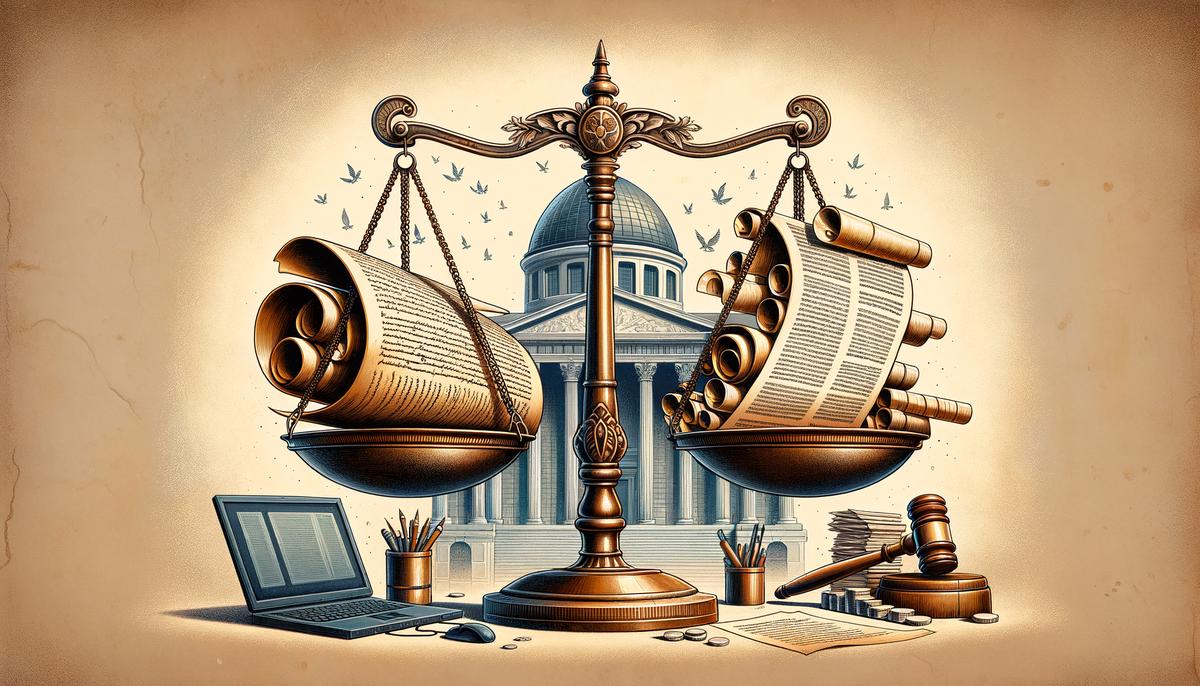
Constitutional Tax Provisions
The Constitution serves as a guidebook for handling taxes in the United States. The Framers aimed to create a system where the federal government had sufficient authority to collect taxes without being overbearing. The 16th Amendment , ratified in 1913, marked a significant shift in federal...
Read more →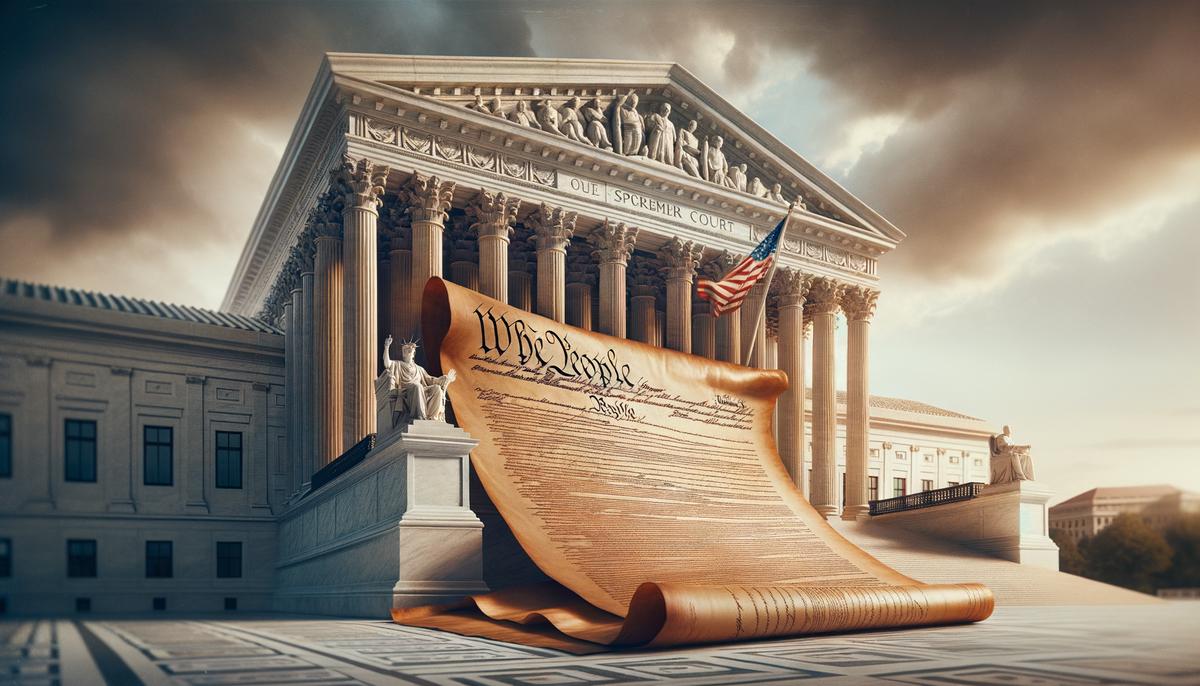
Supremacy Clause vs State Laws
The Supremacy Clause, found in Article VI of the Constitution, establishes federal law as the ultimate authority in America. It declares that federal statutes, treaties, and the Constitution itself take precedence over conflicting state laws. This provision ensures a cohesive national framework and...
Read more →
Constitutional Amendment Challenges
The process of amending the U.S. Constitution is deliberately challenging, designed to balance stability with change. It requires broad consensus and aligns with democratic principles and societal needs. The Bill of Rights, the first ten amendments, emerged from dialogue among state ratifying...
Read more →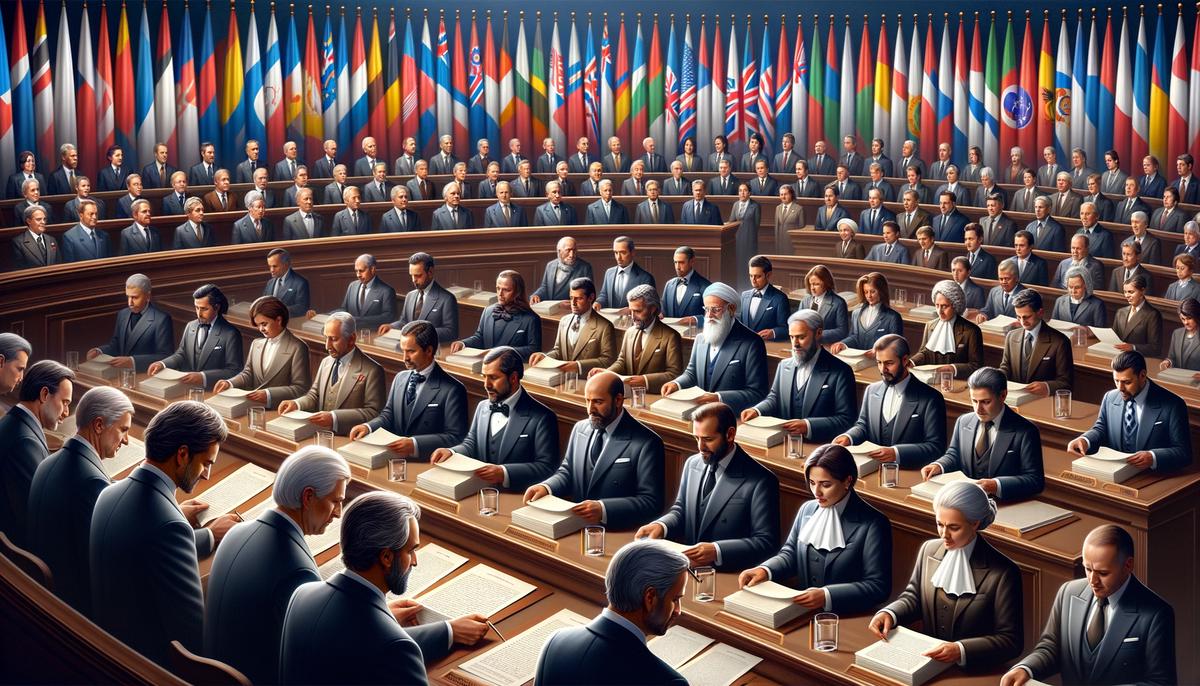
Electoral College Debate
The Electoral College emerged from the 1787 Constitutional Convention as a compromise between different views on presidential elections. Some founders favored selection by Congress, while others advocated for a direct popular vote. The resulting structure aimed to balance state influence in...
Read more →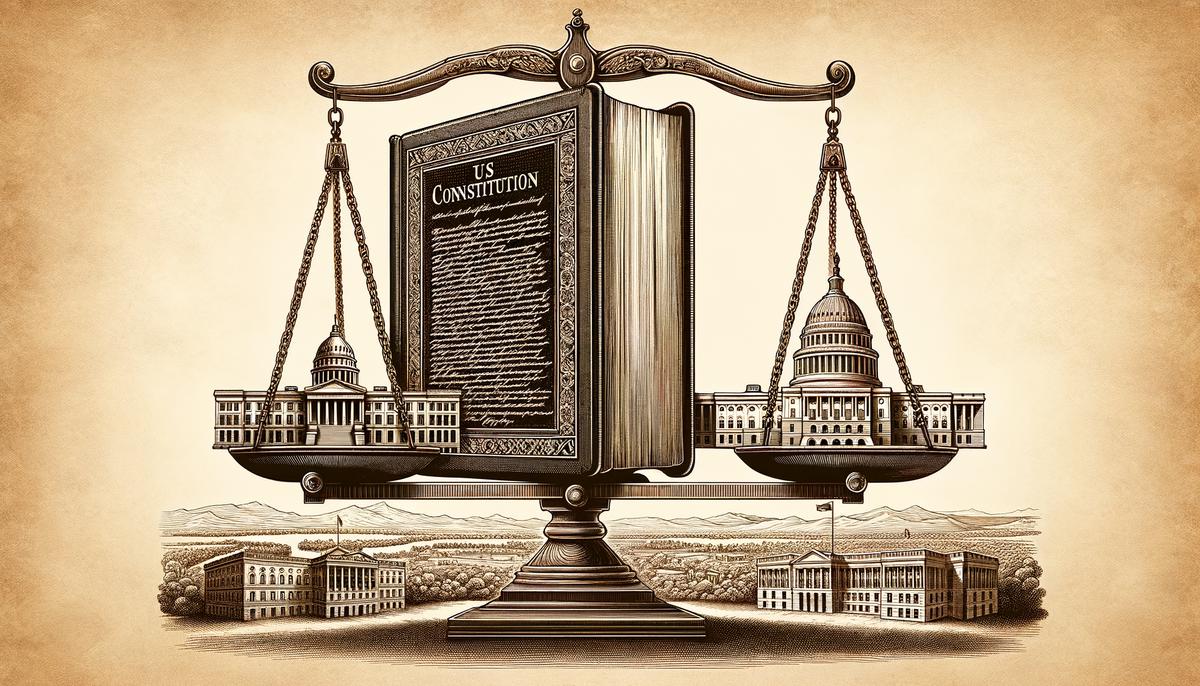
Judicial Review & Federal Power
The journey of federalism in the United States reflects a complex interaction between state and federal powers, evolving through historical contexts and judicial interpretations. As we consider the influences shaping this dynamic, including key organizations and recent court decisions, the...
Read more →Necessary and Proper Clause Today
The Necessary and Proper Clause, often called the "elastic clause," allows Congress to extend its authority beyond what's explicitly listed in Article I, Section 8 of the U.S. Constitution. Chief Justice John Marshall's interpretation in McCulloch v. Maryland (1819) established that Congress can...
Read more →Commerce Clause Regulations
The Commerce Clause, found in Article I, Section 8, Clause 3 of the United States Constitution, empowers Congress to regulate trade among the states. This provision aimed to facilitate commerce by reducing state-level barriers that impeded the movement of goods and services across state lines....
Read more →Federalism in Healthcare
The interplay between federal and state governments is a key feature in U.S. healthcare policy, reflecting the founding principles of federalism. The Affordable Care Act (ACA) exemplifies this balance, setting federal standards while allowing state implementation flexibility. This has led to...
Read more →
Originalism in Supreme Court
Originalism is the theory that judges must interpret the Constitution as it was understood when it was written. This perspective insists that laws written in the nation's past hold authoritative meaning today. To originalists, this approach ensures judges won't impose personal values on the law....
Read more →
Constitution Ratification Debates
The debates over the Constitution's ratification were intense. Federalists emphasized the need for a strong national government, arguing it was essential to maintain order and prevent the chaos experienced under the Articles of Confederation. They assured that checks and balances would prevent any...
Read more →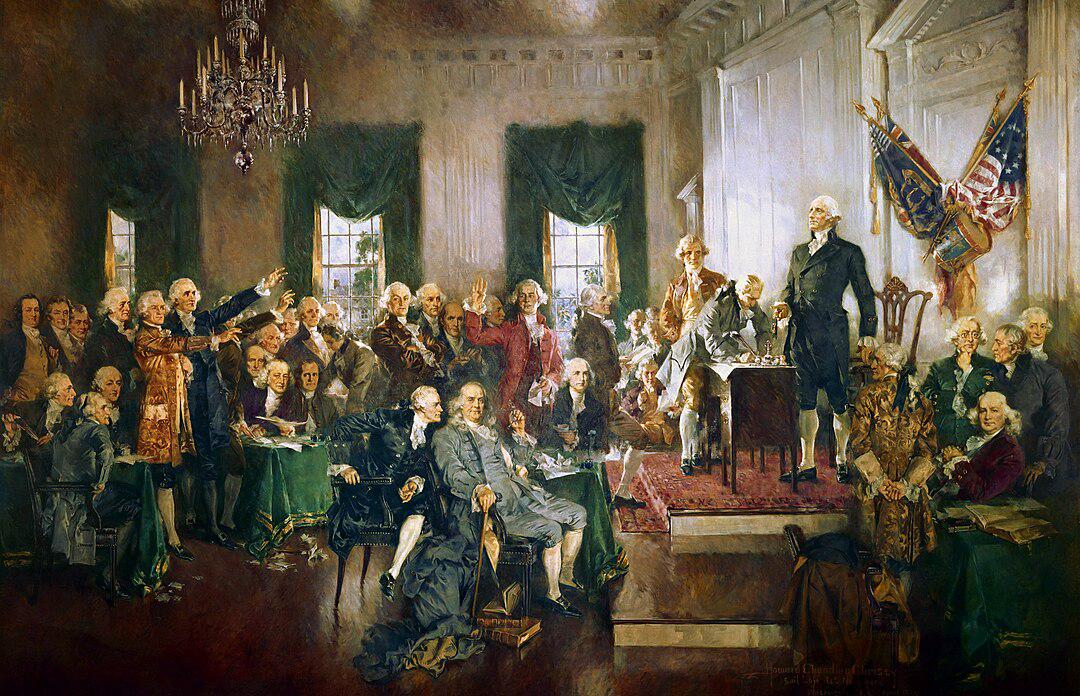
Founders on Religious Tolerance
James Madison and Thomas Jefferson significantly shaped American religious freedom. Madison, motivated by Baptist ministers' imprisonment in Virginia, advocated for liberty of conscience as an inherent right. During Virginia's state constitution drafting, he pushed for "free exercise" of religion...
Read more →
Founders' Impact on Tea Party
The philosophies of the Founding Fathers continue to shape American political movements, including the Tea Party. The Founders expressed skepticism about excessive government control while valuing individual rights. This cautious stance on governance reflects a deep understanding of civil liberties...
Read more →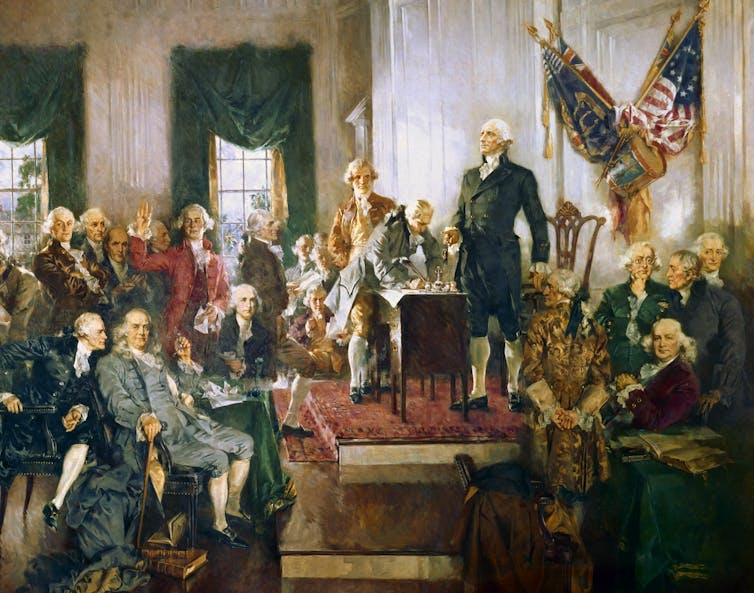
Founding Fathers on Standing Armies
The Founding Fathers grappled with the role of military power in the new nation. Elbridge Gerry was particularly concerned about unchecked authority and resisted giving the central government full command over state militias. He feared a strong standing army could lead to despotism . While Gerry...
Read more →
Anti-Federalist Opposition
The debate between Federalists and Anti-Federalists centered on the structure of the United States government. Federalists advocated for a strong central government, arguing that the Articles of Confederation were inadequate. They used the Federalist Papers to promote a new Constitution as...
Read more →
Federalist Papers' Judicial Impact
The Federalist Papers offer insights into the structure and function of the United States government, emphasizing the balance of power and protection of individual liberties within a constitutional republic. The Federalist Papers, written by Alexander Hamilton, James Madison, and John Jay under the...
Read more →
George Mason and Bill of Rights
George Mason, a wealthy Virginia plantation owner, played a pivotal role in drafting the Virginia Declaration of Rights in 1776. This groundbreaking document had far-reaching influence both nationally and internationally. Mason, known for his fierce advocacy of individual liberty and skepticism of...
Read more →
Thomas Paine and Common Sense
Born in 1737 in Thetford, England, Thomas Paine came from modest beginnings. His upbringing shaped his views on class structures and governance. Early experiences in various trades exposed him to societal disparities, influencing his critical perspective on government. A meeting with Benjamin...
Read more →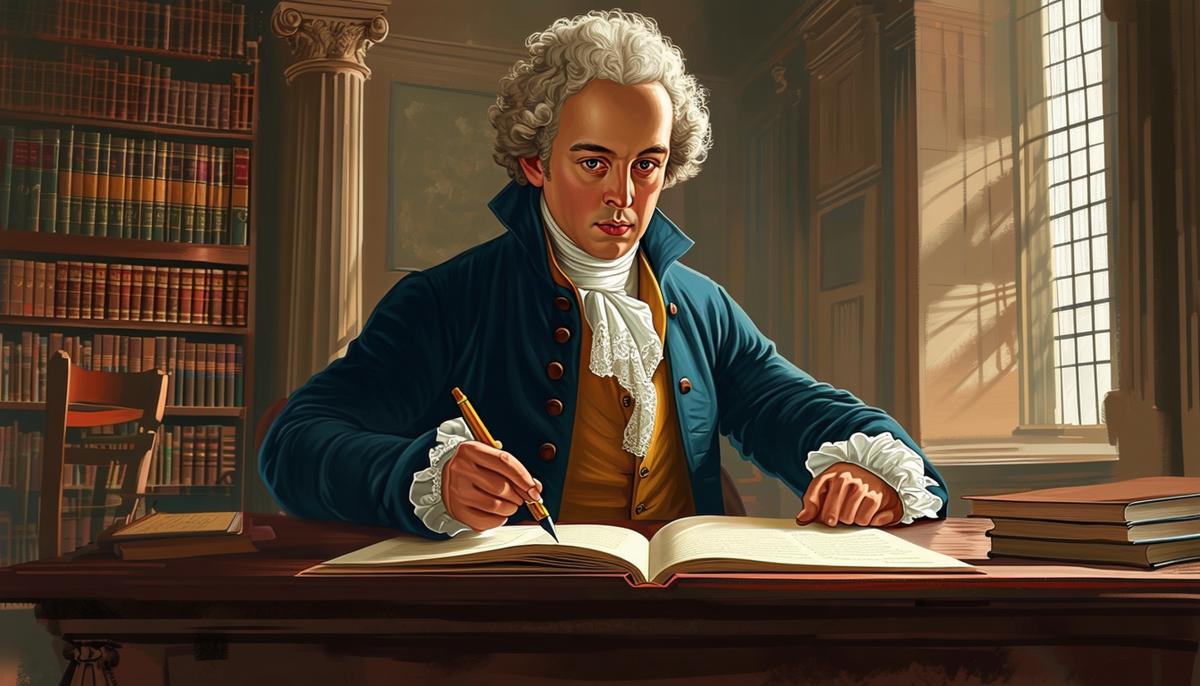
Gouverneur Morris and the Preamble
Gouverneur Morris, born in 1752 into a prominent Tory family in Morrisania, New York, demonstrated exceptional intellect from an early age. He completed both his bachelor's and master's degrees at King's College by 1771, showcasing his academic prowess. Despite his conservative upbringing, Morris...
Read more →