
Constitution World
Constitution World
The U.S. Constitution
Eighth Amendment & Death Penalty
The Eighth Amendment protects individual rights in the United States by prohibiting cruel and unusual punishments. Regarding capital punishment, the U.S. Constitution doesn't explicitly mention it. The debate centers on interpreting the Eighth Amendment, primarily by the Supreme Court. The Supreme...
Read more →
Tenth Amendment and Federal Funding
The Tenth Amendment, implemented in 1791, is a crucial component of the U.S. Constitution. It stipulates that any power not granted to the federal government by the Constitution belongs to the states or the people. This principle was vital to the framers, who believed in federalism —the sharing of...
Read more →
Constitution and Religious Symbols
The First Amendment to the U.S. Constitution addresses the separation of religion and government, stating, "Congress shall make no law respecting an establishment of religion, or prohibiting the free exercise thereof." This means the government can't establish a religion, and people have the...
Read more →
Sixth Amendment Confrontation
The Sixth Amendment, part of the Bill of Rights, safeguards fair trial rights for criminal defendants. A key element, the right to confront witnesses , protects against injustice and reflects centuries-old legal traditions. This right is a fundamental pillar ensuring defendants can meet accusers...
Read more →
Student Loan Forgiveness Legality
The debate surrounding student loan forgiveness highlights the balance of power between Congress and the President in the United States. This discussion underscores the importance of adhering to constitutional guidelines while addressing national issues. The U.S. Constitution grants Congress the...
Read more →Constitutionality of Free Education
In the United States, the journey of education rights has been complex. While the Constitution does not explicitly mention education, significant legal developments have influenced how education is perceived as a right. The Equal Protection Clause from the Fourteenth Amendment became crucial in...
Read more →Fifth Amendment and Asset Forfeiture
Civil asset forfeiture allows law enforcement to seize property suspected of being connected to criminal activity, even when owners aren't charged with wrongdoing. This practice dates back to English common law and expanded significantly during the 1980s war on drugs. The Supreme Court has ruled...
Read more →Second Amendment & NRA
The Second Amendment's historical and cultural significance requires thoughtful examination of its origins and evolution. The Founding Fathers crafted a document that continues to shape American society. Interpretations have shifted over time, influenced by legal decisions and societal changes. The...
Read more →
First Amendment & Cancel Culture
The First Amendment, cornerstone of American values, embodies the Framers' vision of protecting individual freedoms within a constitutional republic. As society evolves, the interpretation and application of these freedoms face new challenges, particularly in modern discourse and digital platforms....
Read more →
Constitutional Reparations Debate
The Constitution of the United States contains clauses that shaped the slavery narrative in the country. The Importation of Persons Clause in Article 1, Section 9 addressed the issue without using the term "slavery." Until 1808, Congress couldn't prohibit the importation of enslaved individuals,...
Read more →Ninth Amendment and Medical Privacy
The Ninth Amendment addresses concerns about the enumeration of rights in the Constitution. It underscores that the rights of the people extend beyond those explicitly listed, ensuring broad protection of individual liberties. This article examines the historical context and significant Supreme...
Read more →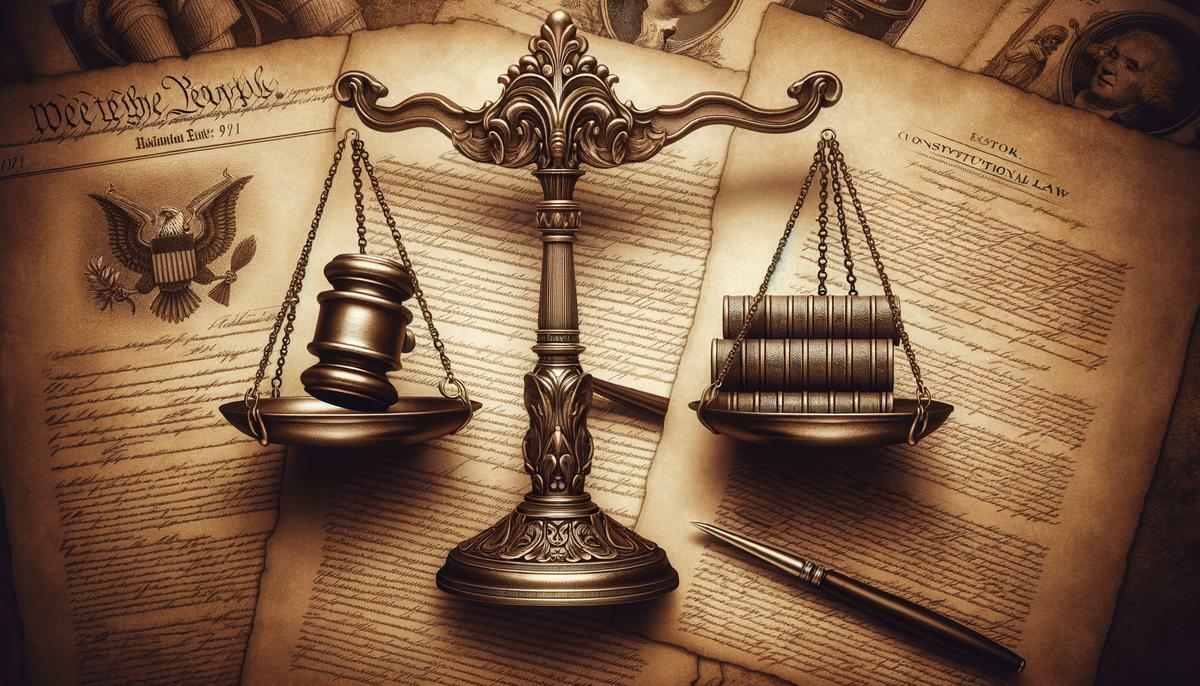
Seventh Amendment and Arbitration
Arbitration agreements are common in many contracts, particularly within consumer and employment contexts. These agreements stipulate that disputes will be resolved by a private arbitrator rather than in court. This shift from the traditional court system to private arbitration raises several...
Read more →Eleventh Amendment and Civil Rights
The Eleventh Amendment emerged from the aftermath of the Chisholm v. Georgia case of 1793. Alexander Chisholm, from South Carolina, sued Georgia to recover Revolutionary War debts. Georgia declined to appear in court, asserting that federal judicial power did not extend to cases against...
Read more →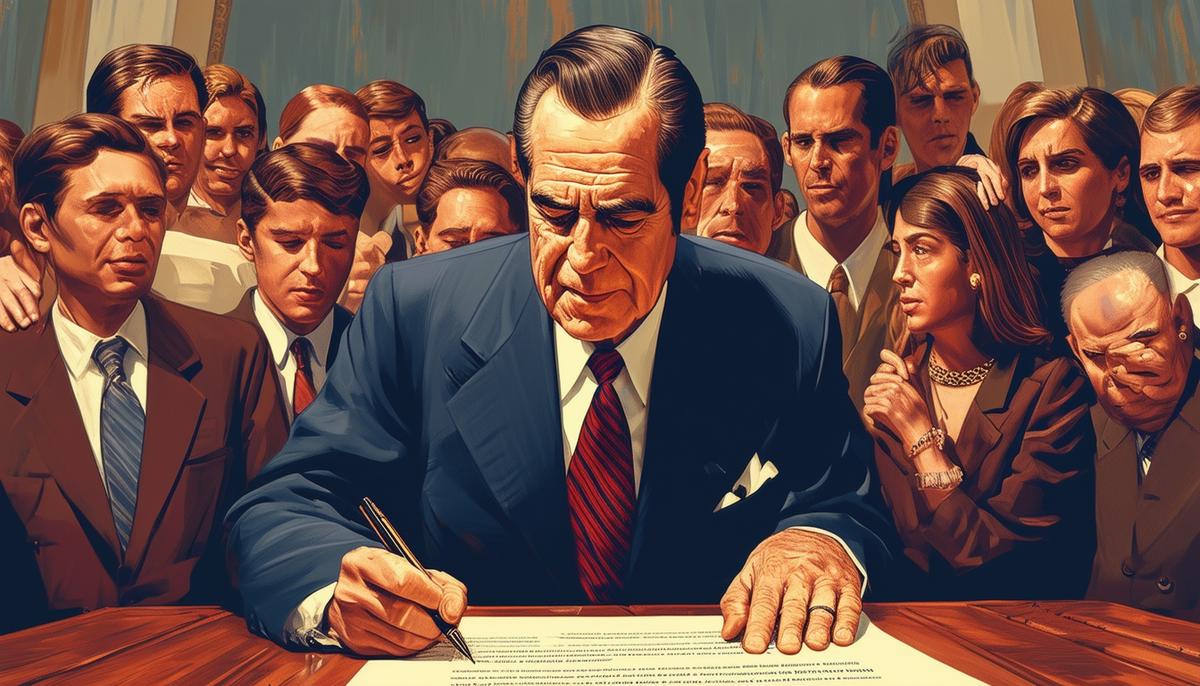
Youth Vote and 26th Amendment
The Vietnam War renewed calls to lower the voting age. President Dwight D. Eisenhower suggested reducing it to 18 in his 1954 State of the Union address, but Congress only acted in 1970 with an amendment to the Voting Rights Act. This lowered the voting age to 18 for federal elections but was...
Read more →Impact of the 19th Amendment
The women's suffrage movement emerged from the abolitionist cause. As women like Angelina and Sarah Grimké advocated for ending slavery, they began questioning their own societal roles. This shift led many women into political activism. Abolitionist literature resonated with women, particularly in...
Read more →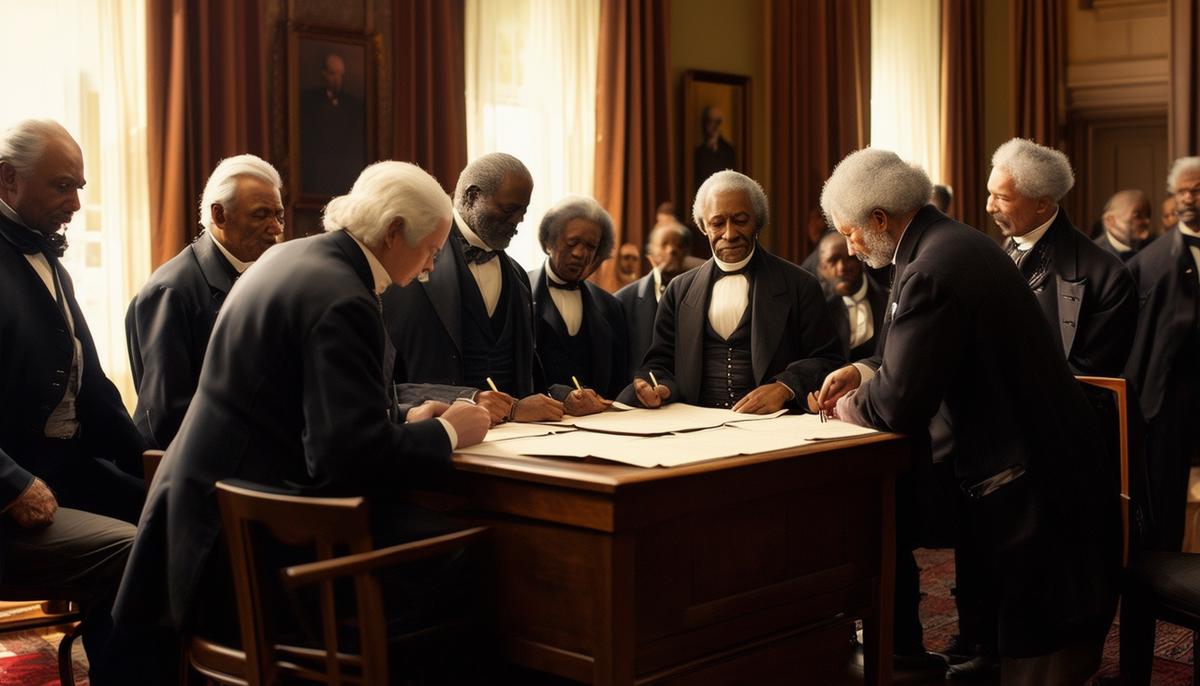
Fifteenth Amendment and Gerrymandering
The Fifteenth Amendment emerged from the Reconstruction era following the Civil War. As the nation rebuilt, it faced the challenge of integrating newly freed African Americans into society while Southern states enacted Black Codes to restrict their freedoms. Congress, led by Radical Republicans,...
Read more →Thirteenth Amendment and Modern Slavery
The ratification of the Thirteenth Amendment in 1865 marked a significant change in American history. This amendment abolished chattel slavery, stating that "neither slavery nor involuntary servitude, except as a punishment for crime, shall exist within the United States." However, this change came...
Read more →25th Amendment and Presidential Fitness
The assassination of President John F. Kennedy in 1963 exposed a critical weakness in the U.S. Constitution regarding presidential incapacitation. Before the 25th Amendment, there was no clear guidance on how to proceed if a president couldn't perform their duties due to injury, illness, or other...
Read more →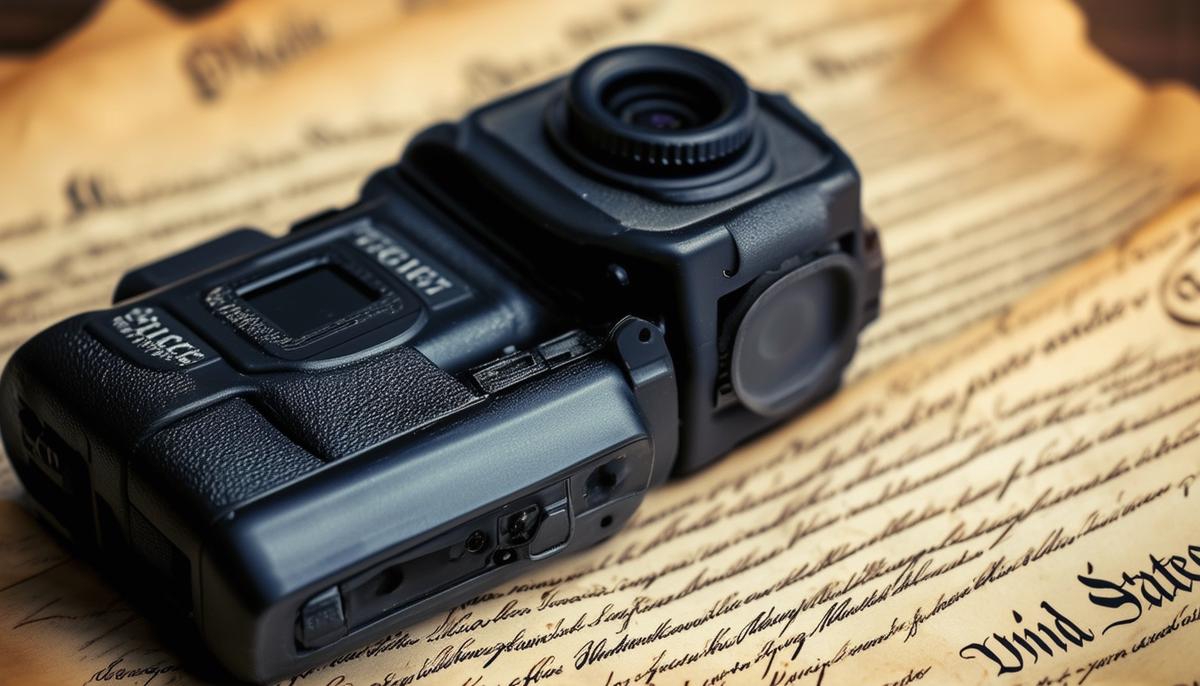
Fourth Amendment and Body Cameras
Body-worn cameras have revolutionized how courts review police-citizen interactions, especially in traffic stops and other common encounters. The impact of video evidence on Fourth Amendment jurisprudence is significant. Courts now can examine every moment of footage, providing a definitive record...
Read more →
Eighth Amendment and Solitary Confinement
The Eighth Amendment of the United States Constitution prohibits excessive bail, fines, and cruel and unusual punishments. This principle has guided the Supreme Court in shaping our understanding of humane treatment within the penal system. Through various legal precedents and evolving standards,...
Read more →